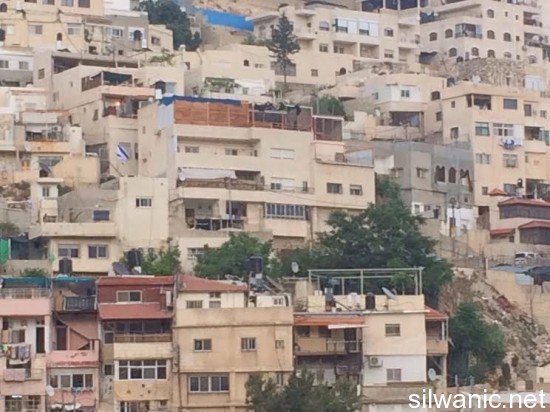
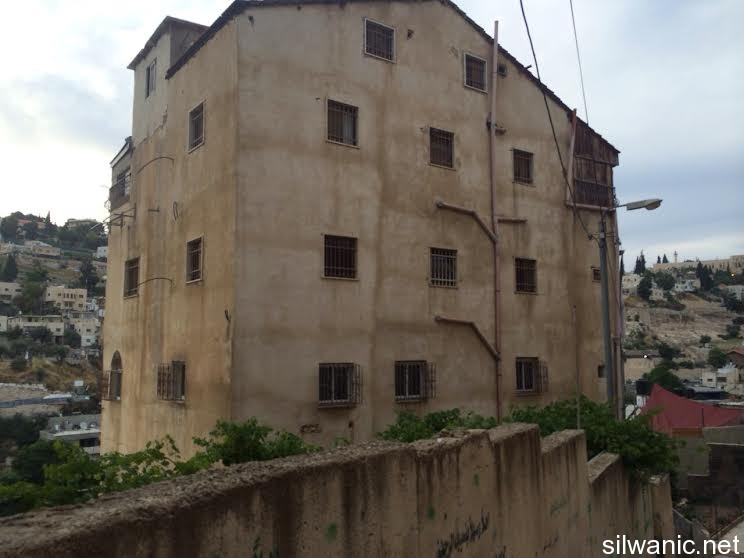
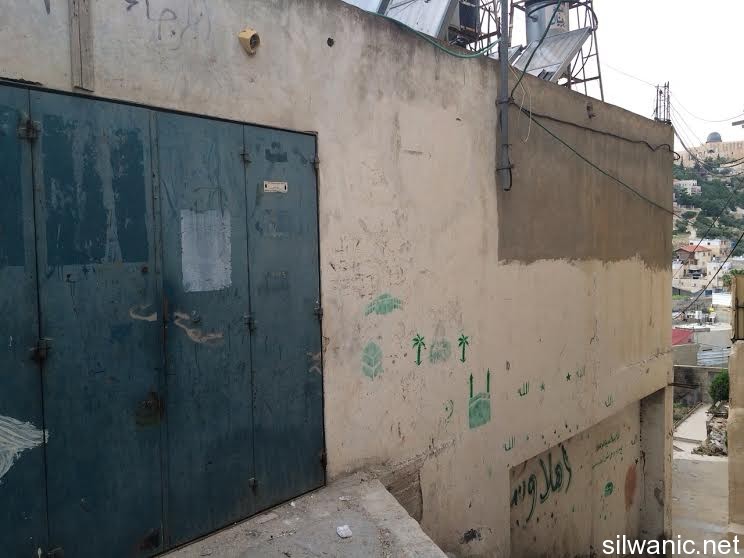
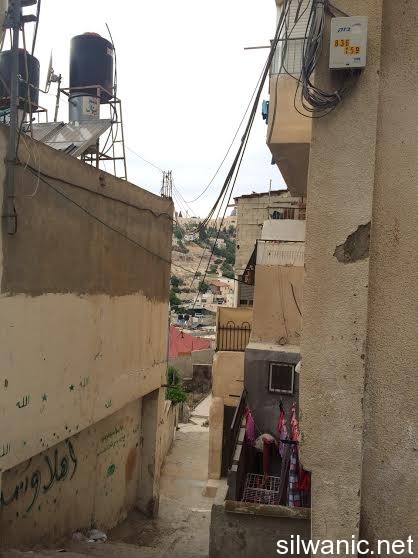
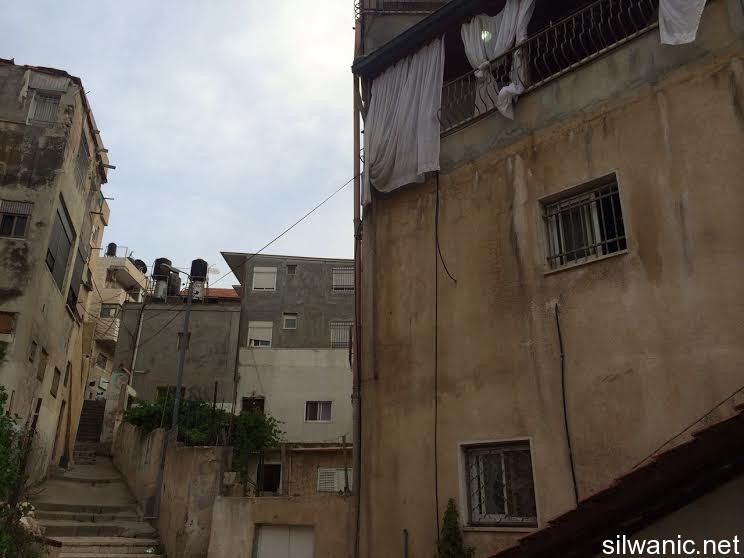
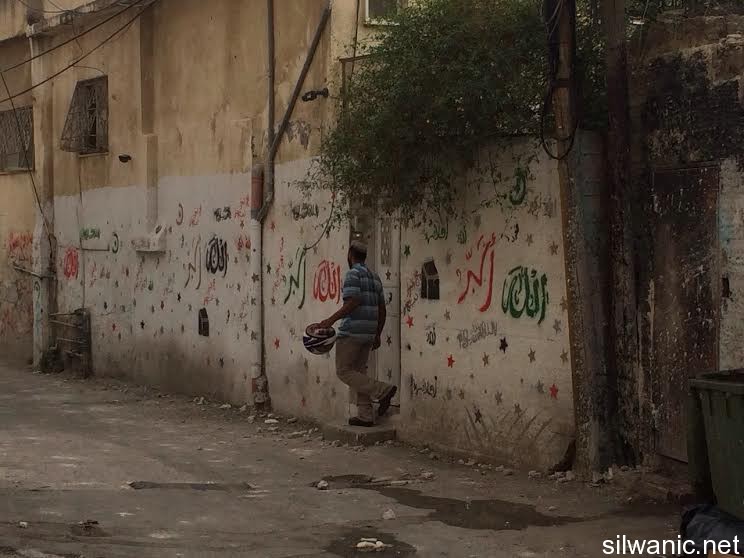
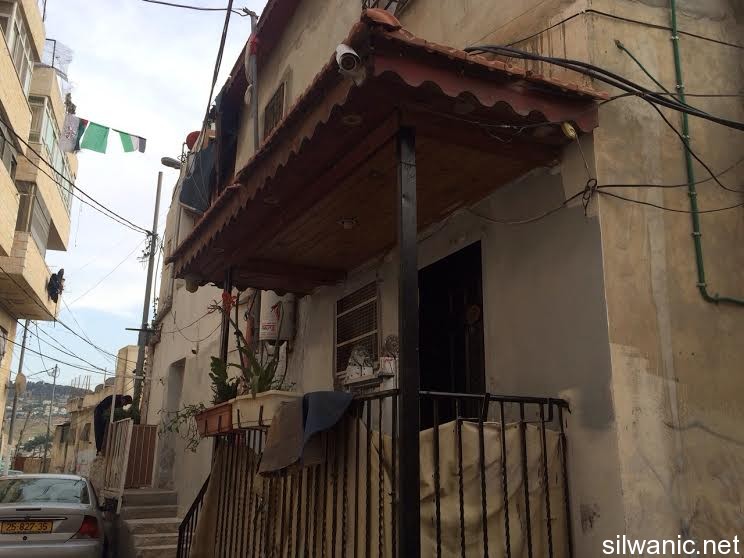
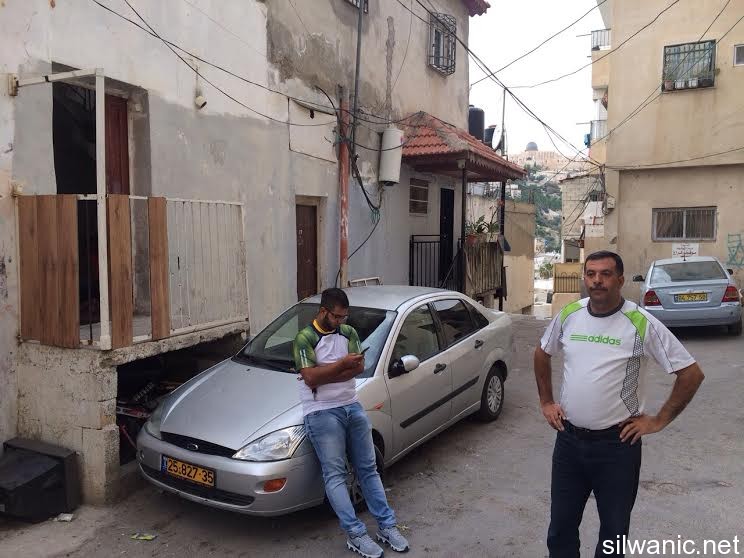
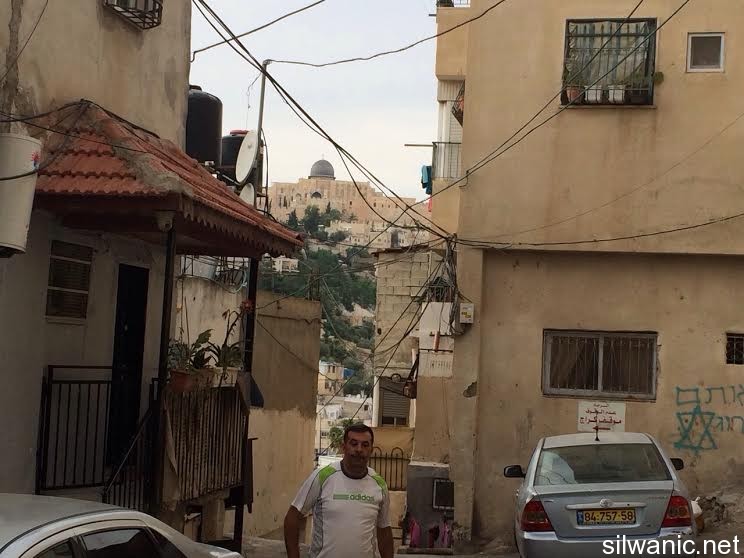
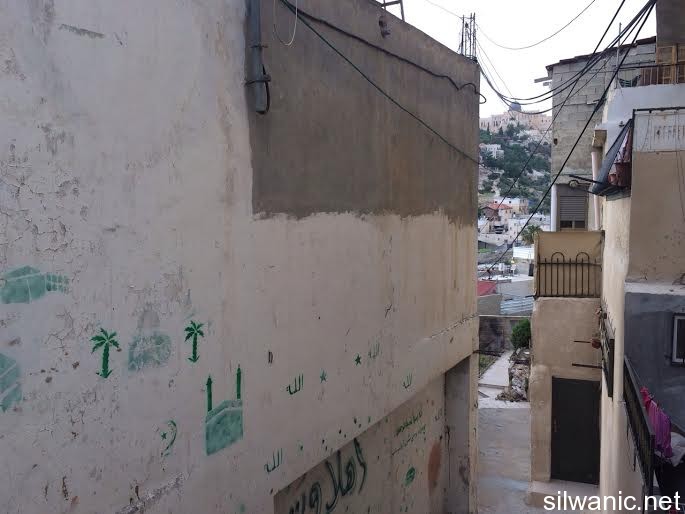
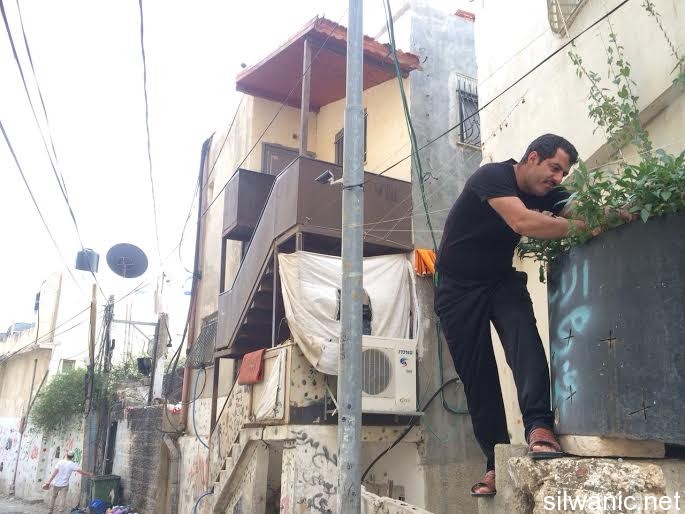
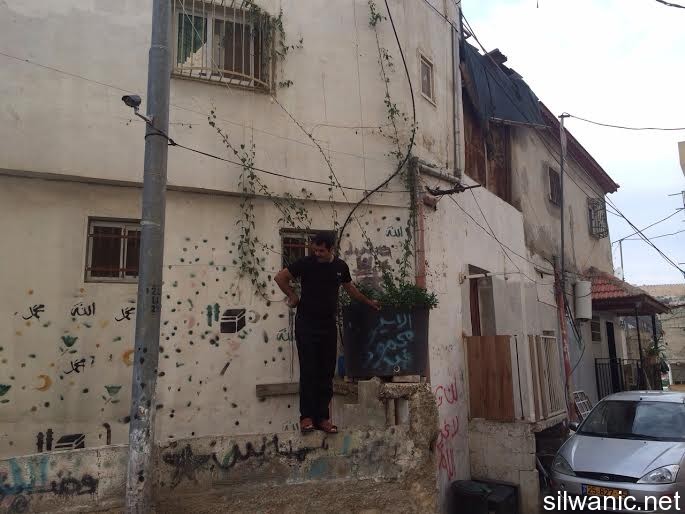
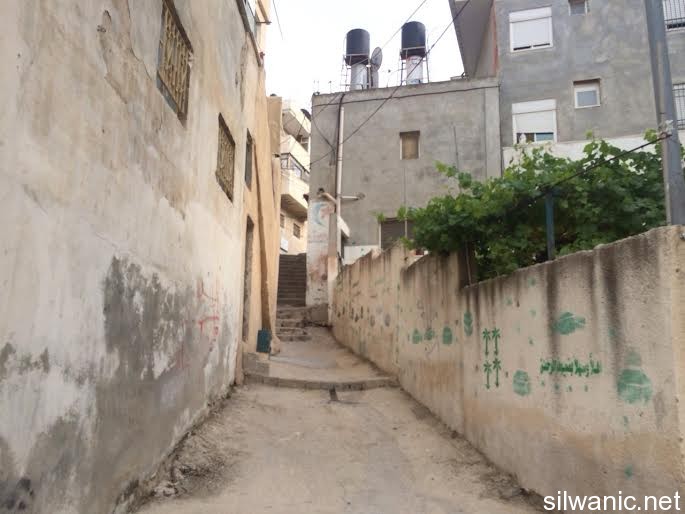
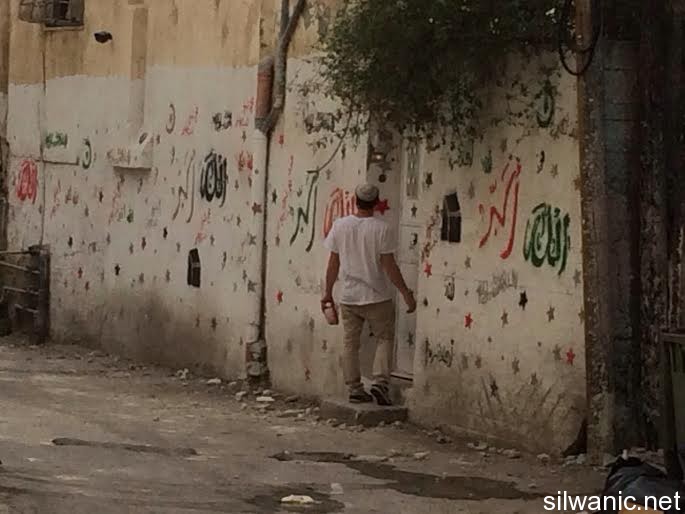
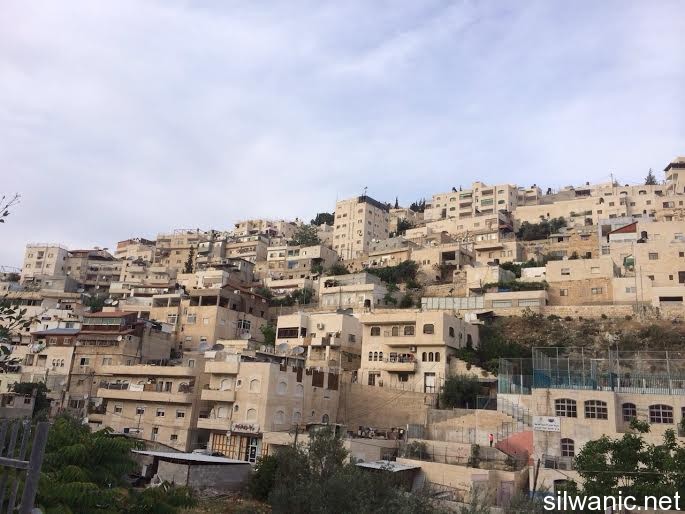
Pictures and details: “Ateret Cohanim” seeks to control five Dunoms of lands in the neighborhood of Batn Al-Hawa in Silwan
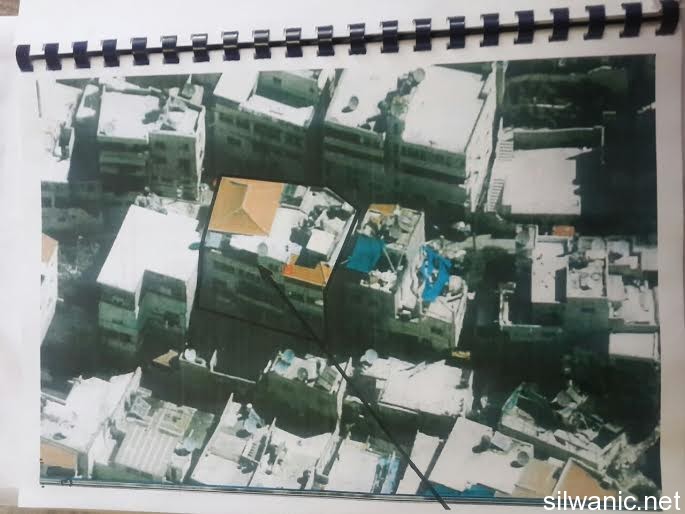
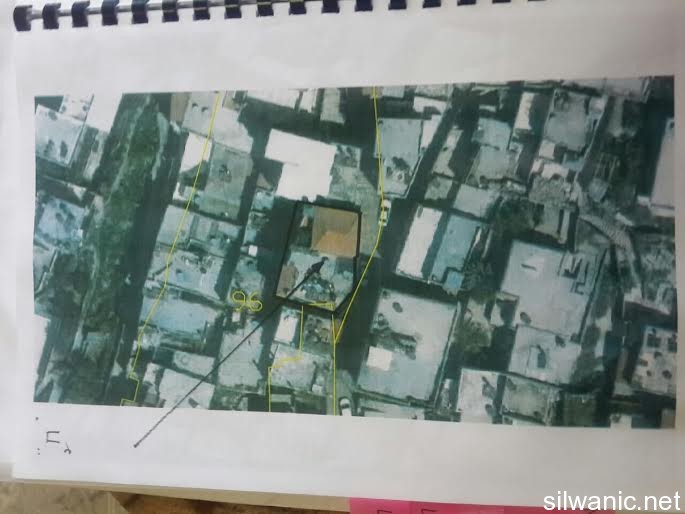
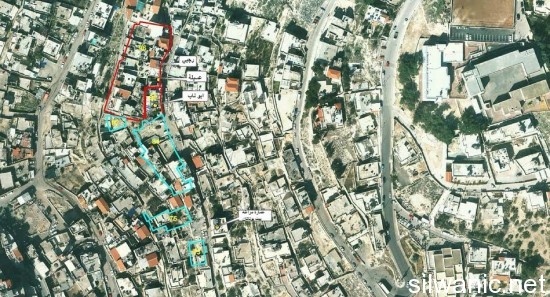
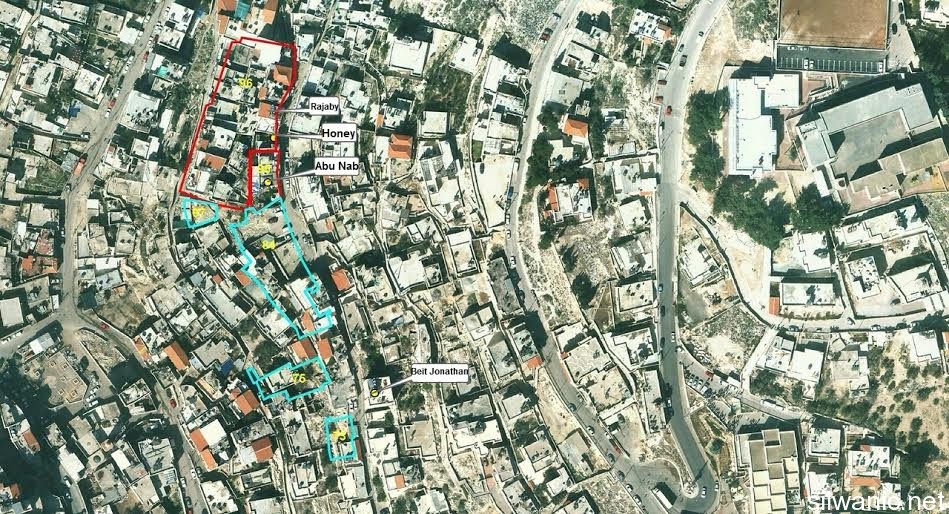
The settlement organization “Ateret Cohanim” is seeking to confiscate 5200 square meters in the “Middle Neighborhood” in Silwan south of Al-Aqsa Mosque. Wadi Hilweh Information Center-Silwan obtained a map and aerial photographs illustrating one of the plans of “Ateret Cohanim” in the “Middle Neighborhood” and revealed their intention to confiscate nearly 5200 square meters under the pretext of being owned by the Jews of Yemen since 1881. The targeted area is divided into 6 pieces of land (numbers: 73, 75, 88, 95, 96 and 97) and the settlement organization claim that the Israeli Supreme Court approved the ownership of settlers from Yemen to lands in Batn Al-Hawa. Wadi Hilweh Information Center explained in a statement issued Saturday that the lands at risk of being confiscated currently have 30-35 residential apartments established on them where 80 families and nearly 300 individuals live. All the residents have been living in the neighborhood since the 1960’s after they bought the lands and property from the previous owners using official documents. The Center added that Palestinian families own the lands as well as the buildings established on them where all the families own more than one apartment in the area. The families are: Abu Nab, Rajabi, Sarhan, Abu Rammouz, Gheith, Shihadeh, Basbous, Dweik and Silwadi. According to the aerial photographs, some of the houses are at risk of confiscating parts of it that fall within the area allocated in the map. The lawyer of “Ateret Cohanim” and within the organization’s continuous efforts to confiscate lands and property in Silwan recently handed Rajabi family a note regarding the land where their residential building (8 apartments) is established and claimed that the land is owned by Jewish settlers. Rajabi family Zuheir Rajabi received the note from the lawyer and said: “according to the note we received, we are required to respond to the settlers’ claims within 30 days. They claim that the land is owned by three Jews from Yemen who were living here before 1948.” Rajabi explained that the note was recorded against his seven brothers and their wives. He pointed out that 40 individuals live in the building and confirmed that his father had bought the land from its previous owner (Abu Ghaleb Badran Hilweh) in 1966 where there was only two rooms built back then. Rajabi expressed his surprise of the settlers’ claims which came 50 years after his father bought the land, and pointed out that the occupation municipality imposed a fine of the family under the pretext of building without a permit. Also, he noted that the family has conducted many transactions with several Israeli departments which never doubted their ownership of the land. He said: “We will not leave our land, it is our father’s land and we will stay her and prove our ownership.” Continuous attempts to confiscate property in Batn Al-Hawa The settlers’ attempts to confiscate property in the neighborhood of Batn Al-Hawa started nearly eight years ago using several twisted ways. They handed the above mentioned families “evacuation notices” and most of them were able to maintain their property; settlement organizations were able to confiscate some of the families’ property. One of the methods used by settlement organizations to confiscate property in Batn Al-Hawa was claiming that the residents added to the exited building or changed the building which no longer keeps them as “protected tenant”. They also try to confiscate buildings under the pretext of “ownership of the land”, or through leakage of property through some realtors or those with weak souls. Wadi Hilweh Information Center pointed out that the building of Rajabi family is near the houses of Abu Nab family which have been recently confiscated under the pretext that they were a synagogue. It is also near the settlement outposts “House of Honey” and “Jonathan’s House” (Bet Yonatan) and only few meters away from two buildings that were leaked to the settlers at the end of last year. Wadi Hilweh Center also warned of the danger of Israeli attempts to control large areas of the neighborhood of Batn Al-Hawa, and thus turn it into a Jewish neighborhood adjacent to the Arab neighborhoods in the town which will be a permanent factor of tension in the area because of the permanent presence of the settlers and their armed guards as well as Israeli forces at the settlement outposts. The Center added in its statement: “the spread of settlement outposts in Silwan in the last few months increased the tension and clashes in the neighborhoods around Silwan due to the provocations of the settlers and their guards for the people of the town and especially the children during their play. The number of detainees from Silwan also increased and the occupation forces arrested nearly 100 Jerusalemites from Silwan since the beginning of the year in which half of them are children. Most of them were charged with throwing stones or Molotov Cocktails towards the settlement outposts.” The Center also pointed out that the residents of Silwan are continuously suffering from the armed guards of the settlers who are always stationed near the settlement outposts and are always threatening the lives of Jerusalemites living in Silwan. The guards often attack and verbally insult the residents and at times beat and open fire towards them. They also interact during clashes even before the arrival of occupations forces not to mention their training in the residential neighborhoods late at night. The Center also monitored the run-over incidents carried out by settlers’ guards due to excessive speeding or deliberately running over residents, and also monitored several cases of detaining children inside the settlement outposts before transferring them to police centers. The presence of settlers inside the neighborhoods of Silwan also obstructs the life of Jerusalemites living in Silwan as roads, neighborhoods and areas around the settlement outposts are often closed to secure the settlers’ special ceremonies or to secure the visits of special people not to mention their provocations and behavior around the clock.