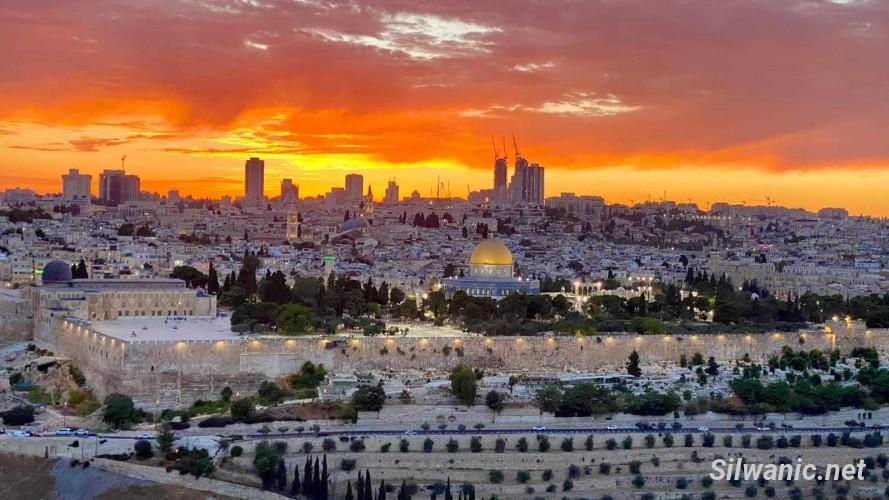
Ben-Gvir storms Al-Aqsa Mosque… and petitions are mounting pressure to reopen it to settlers
Israeli National Security Minister Itamar Ben-Gvir stormed the Al-Aqsa Mosque on Monday afternoon through the Dung Gate.
The Islamic Endowment Department in Jerusalem stated that Ben-Gvir entered the Al-Aqsa Mosque through the Dung Gate, proceeded towards the Al-Silsileh Gate, then returned and exited through the Dung Gate, before proceeding to the Al-Buraq Wall.
This occurs amid continued demands from extremist Temple Mount groups and petitions to the Israeli Supreme Court, urging the reopening of the Al-Aqsa Mosque for settler visits during the Jewish Passover holiday, which started on April 2nd.
Court documents from the Israeli Supreme Court showed that settler groups have been actively pressuring the Israeli police to restart incursions into the Al-Aqsa Mosque. These incursions have been on hold since the Israeli-American conflict with Iran began on February 28th.
The right-wing group "The Headquarters for the Land of Israel" submitted an urgent petition against the Jerusalem District Commander, the Police Commissioner, and the Minister of National Security. They asked for the cancellation of the "comprehensive ban" on Jewish visits to the Al-Aqsa Mosque. The petition was filed on April 1, 2026, "the eve of Passover," but was not reviewed by a duty judge at the time due to a "secretary error." The Israeli Supreme Court later revisited the case but has not yet reached a final decision.
Documents show that occupation police have maintained a complete ban on settler incursions since the start of the war. The Supreme Court declined to issue an immediate order to open the mosque to settlers, stating it was awaiting an official update from the "security services" about a new decision anticipated on Monday morning, April 6, 2026. The response deadline for the petition was then extended to noon that day, as security consultations on the issue persisted.
Accordingly, the court did not reject the petition, but refrained from responding to it immediately, and kept it pending until the security situation was resolved.
Later today, the Israeli Supreme Court approved an "urgent" request from the government to delay its final response until 5:00 PM this Monday. The government explained the delay by the necessity for high-level security consultations to assess the Home Front Command's position, after a cabinet meeting last night.
Temple Mount organizations saw the postponement as a move to delay a decision on sovereignty in Jerusalem. Rabbis demanded that the Al-Aqsa Mosque be reopened to incursions, questioning how demonstrations could be allowed while access to the Temple Mount remained restricted – according to their claims.
Shmuel Rabinowitz, the rabbi of the Al-Buraq Wall, called for reevaluating access limits to the site, suggesting that worshippers should be allowed to gather there, similar to the right to demonstrate. He stressed that the right to pray is just as important as the right to protest, especially during wartime, when prayer can bolster soldiers' morale. Rabinowitz urged that prayer be considered at least as significant as demonstrations, if not more.
The Israeli occupation has maintained its full closure of Al-Aqsa Mosque for the 38th consecutive day since the war began. This closure, happening during Ramadan, has deprived Muslims of prayer, spiritual reflection, and observing the holy nights. It has also prevented them from performing Eid prayers and led to the banning of Friday prayers for five consecutive weeks since the conflict started.
The closure of Al-Aqsa did not stop settlers from trying to offer Passover sacrifices near the mosque. Extremist Temple Mount groups recorded seven such attempts before Passover, and those involved were arrested. The sacrifices, including goats and sheep, were also confiscated.