Deportation, arrest, and demolition: Occupation measures tighten the noose on Jerusalemites
In Jerusalem, the Israeli occupation persists in its actions against Palestinians, including arrests, administrative detentions, bans from Al-Aqsa Mosque, and home demolitions. Additionally, it enforces strict limitations on building and expanding Palestinian homes and land.
Most recently, the occupation authorities extended the administrative detention of Jerusalemite Alaa Najib to four months, after his arrest last month.
Today, the occupation authorities further extended the detention of Jerusalem residents Abdul Bashiti and Ja’far Bashiti, continuing the ongoing arrest campaigns against Jerusalemites.
In a related action, authorities banned Jerusalemite youth Wissam Hamouda from Al-Aqsa Mosque for six months, as part of the measures to expel Jerusalemites and limit their access to the mosque.
At the end of July, occupation authorities summoned Hamouda for interrogation. They detained him for several hours before releasing him on the condition that he avoid Al-Aqsa Mosque for a week and return for further questioning, with the potential for the ban to be extended.
Hamouda arrived for his scheduled interrogation. After waiting, he was told that no new decision had been made regarding his case, and that the temporary deportation order would stay in place until a final decision is reached.
Yesterday, the occupation authorities sent Hamouda the final six-month deportation order through WhatsApp, including a map showing its scope and details, thereby preventing him from accessing Al-Aqsa Mosque during that period.
Demolition: An option imposed on Jerusalemites
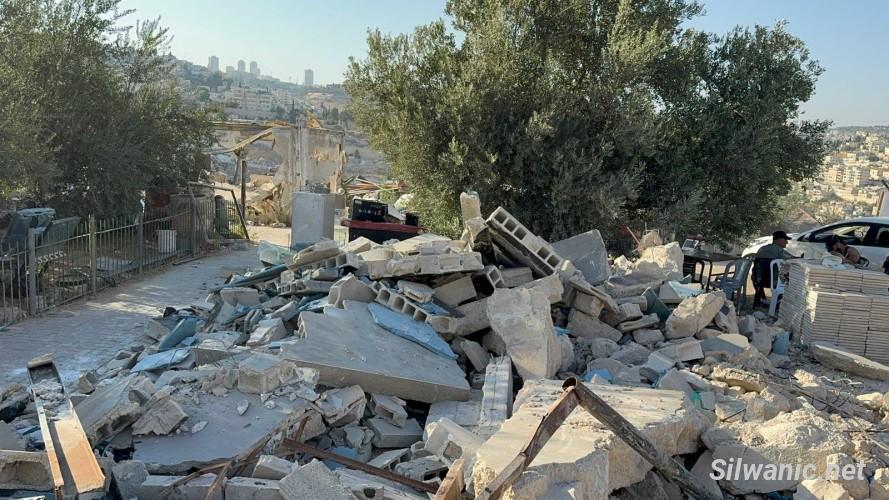
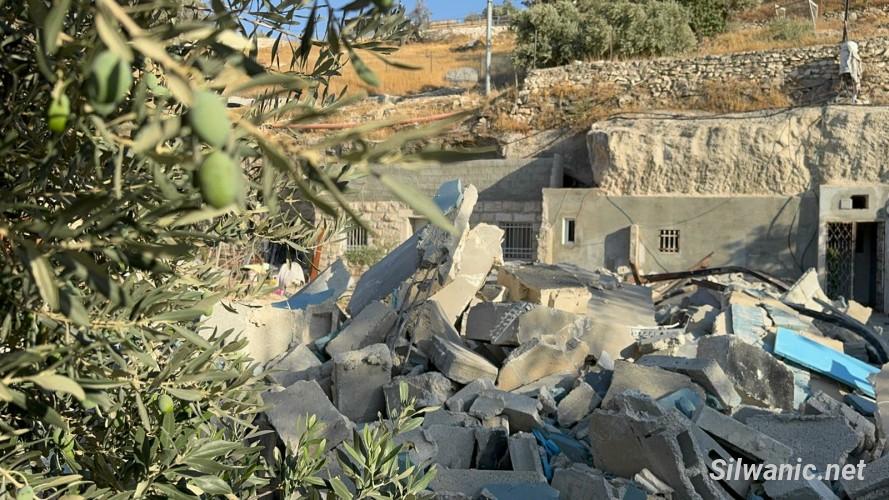
In another case involving restrictive policies, Jerusalem resident Khalaf Muhammad Odeh from Jabal al-Mukabber was compelled to demolish his own home, which was about 90 square meters in size.
Odeh states that the occupation authorities and the municipality enforce strict restrictions on construction in Jerusalem, significantly hindering residents' ability to secure building permits or expand their homes. Meanwhile, demolition activities and orders against homes persist.
Odeh recalls that approximately two years ago, the municipality demolished his house, where he had lived for 17 years, compelling him to relocate to a house he had initially built for his son.
He states, "Following the demolition of the house I lived in for 17 years, I was compelled to relocate to a house I had constructed for my son, which I repaired and furnished. After moving in, a demolition order was issued for that house as well, leading me to demolish it myself."
Confronted with the demolition order, Odeh decided to do the demolition himself to avoid the costs that occupation authorities would charge homeowners if their crews performed the work.
He states, "I had to demolish it myself, but I will not abandon the land. If necessary, I will live in a tent."
Construction restrictions and absent services
Odeh argues that Jerusalemites encounter more than just demolition orders; they face numerous restrictions on building and expanding, along with what he considers neglect in providing essential services to residents.
He notes that Jerusalem residents pay the "Arnona" tax, but he argues they do not receive services matching this payment, citing the absence of public spaces, playgrounds, parks, and gardens in Palestinian neighborhoods.
He stresses that to bolster the resilience of Jerusalemites in their homes and lands, it is essential to offer support and services, especially given the rising ambitions for Jerusalemite lands and plans to alter the city's current state.