Between demolitions, arrests, and deportations: Palestinians in Jerusalem face measures targeting their homes, freedom, and presence in the City
In Jerusalem, home demolitions, arrests, and deportations continue as part of a broader set of measures affecting the city’s Palestinian residents. These measures include the loss of shelter and the displacement of families, administrative detention, imprisonment, and house arrest, as well as preventing citizens from accessing the blessed Al-Aqsa Mosque.
In recent days, the occupation municipality’s bulldozers have demolished homes in Silwan and Beit Hanina. Meanwhile, young Jerusalemite Ayham Abu Jom’a has been placed in administrative detention for four months, and another Jerusalemite, Khaled Abu Tayeh, has been barred from entering the Al-Aqsa Mosque for six months. Similarly, the Central Court rejected an appeal by Raeda Saeed, a Jerusalemite woman, against her one-year prison sentence, imposed after nearly two years of house arrest and other restrictions.
Arrests continue across various Jerusalem neighborhoods, along with prison sentences imposed on children and other residents and the renewal of administrative detention orders. These measures also affect the families of those detained or deported, profoundly shaping their daily lives.
Demolition: Homes destroyed, families face displacement
On Tuesday, bulldozers belonging to the occupation municipality demolished two homes in Silwan’s Wadi Qaddoum neighborhood. The homes belonged to Hani al-Salaymeh, a Jerusalemite, and his father. The demolition followed a morning incursion into the area by municipal crews accompanied by a large police force.
The two homes, built in 2002, covered approximately 160 square meters in total and housed eight people.
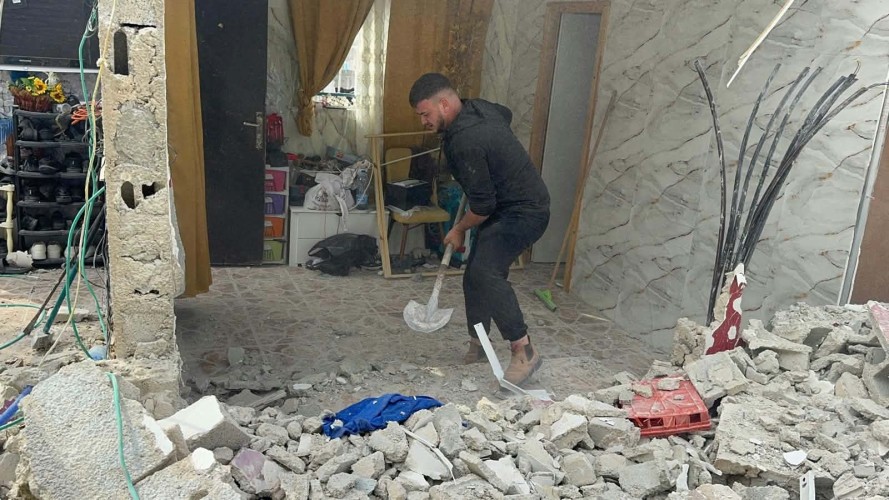
After receiving a final demolition order, the family spent late into the night clearing the homes before the occupation’s bulldozers demolished them.
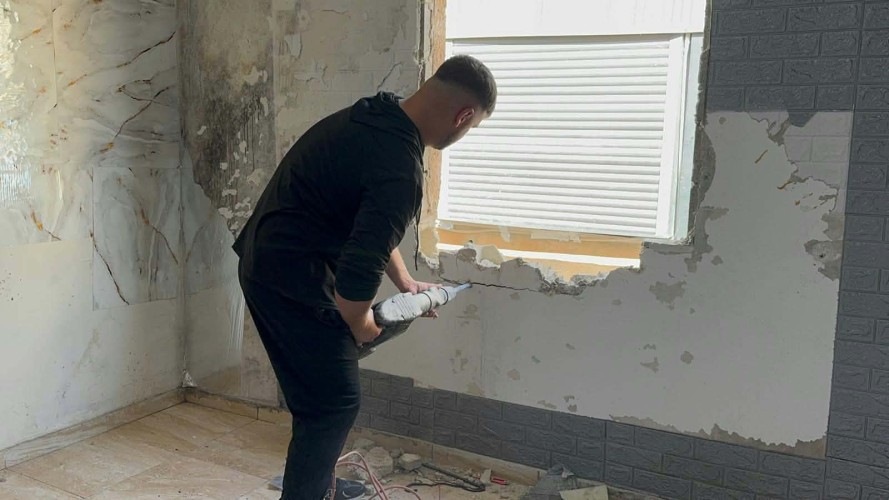
Meanwhile, bulldozers completed the demolition of the Abdullah family’s home in At-Tur today. The family had started demolishing it themselves last Saturday, October 10. The home had stood for about 20 years and was inhabited by 16 people.
Beit Hanina: Owners demolish two homes themselves, including one owned by a newlywed couple expecting a child
In Beit Hanina, north of Jerusalem, Jerusalem resident Alaa Issam al-Rajabi was forced to demolish his own 60-square-meter home, which had stood since 2017.
Al-Rajabi got married about a year ago, and his wife is now pregnant. As they begin their life together as a family, they face the loss of their home.
Another Jerusalem resident, Fadl al-Rajabi, also demolished his own home, a 70-square-meter structure built in 2010 that housed seven people.
These cases show the human cost of demolition policies, which do more than destroy physical structures: they destabilize families, add financial and housing burdens, and deprive people of homes they have occupied for years.
Jerusalemite families face the constant threat of losing their homes, whether through demolitions by occupation bulldozers or by being forced to demolish their own properties to avoid the steep costs of a municipal demolition. As a result, Jerusalem residents face complex economic and legal challenges, including difficulties obtaining building permits, fines, legal and court fees, and the substantial cost of finding alternative housing after their homes are destroyed.
Administrative detention: Four months for Ayham Abu Jom’a
Amid the ongoing wave of arrests in Jerusalem, Ayham Abu Jom’a, a young man from At-Tur, has been placed in administrative detention for four months. Israeli Defense Minister Israel Katz issued the decision following Abu Jom’a’s arrest last Thursday.
This administrative detention is part of a broader campaign targeting Jerusalemites, confining them for fixed periods under administrative orders and bypassing the criminal justice process, which would otherwise require a formal indictment and a public trial.
Rasem Obeidat: Weary steps and shackles binding a man in his sixties
A hearing was held today at the Jerusalem District Court to "confirm the administrative detention order" for Rasem Obeidat, a 67-year-old Jerusalem writer and political analyst.
Obeidat is currently being held at the Russian Compound (al-Maskoubiya) interrogation center in West Jerusalem. Escorted in shackles to the District Court for the confirmation hearing, he showed clear signs of extreme exhaustion and hardship.
Obeidat was arrested on September 27, 2024, during a raid on his home in the village of Jabal al-Mukabber. A few days later, he was placed in administrative detention for six months.
This case again highlights the continued use of administrative detention against Jerusalemites—including the elderly, writers, and public figures—and the severe restrictions it places on their personal freedom and family and social lives.
The court sentenced 15-year-old Ali Mahmoud, from the town of Issawiya, to six months in prison. He was arrested on October 15, 2025, and released on December 30 of the same year under house arrest pending the conclusion of legal proceedings against him and the issuance of his sentence.
In Issawiya as well, occupation forces arrested 16-year-old Maher Zidan, and his detention has been extended until Wednesday.
Meanwhile, orders barring individuals from the Al-Aqsa Mosque continue to be issued. Khaled Abu Tayeh, a Jerusalemite from Silwan, received a WhatsApp notification, accompanied by a map, prohibiting him from entering the mosque for six months. The map marks the restricted areas, including all corridors and entrances leading to the mosque.
Abu Tayeh was arrested at the Al-Aqsa Mosque earlier this month. He was initially released on the condition that he stay away from the mosque for two days and report immediately for questioning. The ban was later extended until he received today’s formal administrative exclusion order, signed by the commander of the "Jerusalem Police."
Raeda Saeed: One year of actual imprisonment following two years of house arrest
In another legal development, the Israeli Central Court rejected Jerusalemite Raeda Saeed’s appeal against a one-year prison sentence. The court ordered her to report to prison on November 12, 2026.
At the end of 2025, the court sentenced Saeed, convicting her of violating an order barring her from entering the Al-Aqsa Mosque.
Saeed was arrested in 2023 and held for eight days before being released to house arrest. This began a period of restrictions that lasted about two years, during which she faced ongoing court hearings. Her full house arrest was later eased to partial house arrest, though numerous restrictions remained in place. The legal proceedings concluded with the confirmation of a one-year actual prison sentence.
Thus, Saeed is moving from house arrest—which had restricted her movement and daily life for about two years—to imprisonment, in a case related to a decision barring her from entering the Al-Aqsa Mosque.