How did the Sukkot holiday pass in the city of Jerusalem?
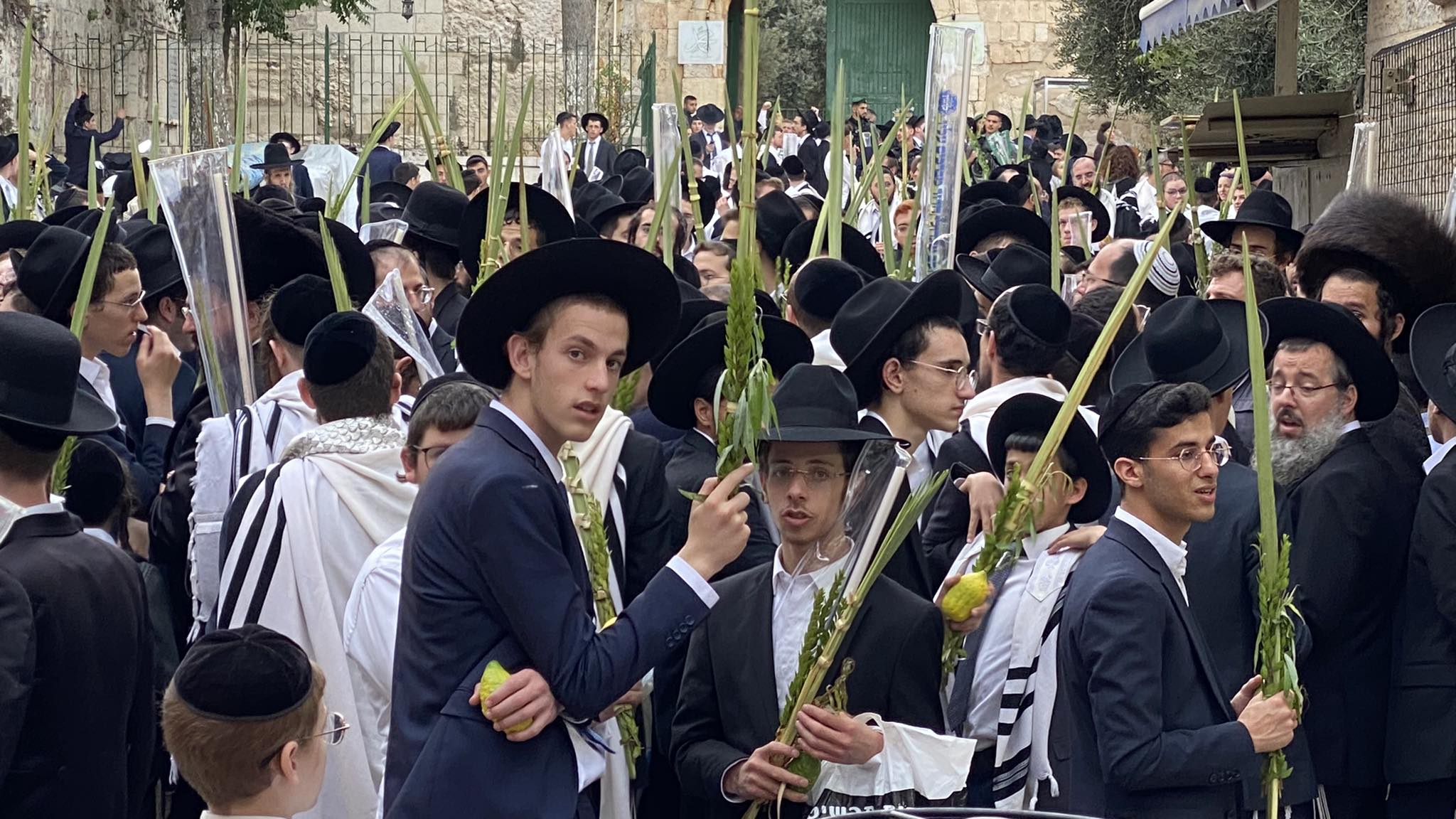
Over the days of Sukkot, tens of thousands of settlers carried out massive incursions into the Old City of Jerusalem, Al-Aqsa Mosque, and the Buraq Wall, and held prayers, marches, and various special celebrations on this holiday.
During the week of Sukkot, the occupation authorities turned the Old City of Jerusalem into a military barracks, deploying forces at the gates of Al-Aqsa and the streets and alleys of the Old City, searching young men and women and checking their identities as they walked through the city’s streets.
During the period of incursions into Al-Aqsa Mosque during Sukkot (from last Sunday until Thursday), 5,739 extremists stormed the mosque, through the Dung Gate, whose keys have been controlled by the occupation authorities since the occupation of Jerusalem, and through which the daily raids on the mosque take place, with the exception of Fridays and Saturdays.
The raids on Al-Aqsa occurred during the week of Sukkot, as stated by the Islamic Endowments Department in its daily report:
• Sunday 859 settlers
• Monday, 1478 settlers
• Tuesday 789 settlers
• Wednesday 1435 settlers
• Thursday 1178 settlers
Members of the Knesset, rabbis, and officials from the “Organizations of the Alleged Temple” participated in the raids during the week of Sukkot. During the raids, the settlers performed prayers at Al-Aqsa and offered plant offerings.
As for the prayers and collective marches of settlers, they began in the early morning hours from the direction of al-Qattaneen Gate - one of the gates of Al-Aqsa - and proceeded along Al-Wad Street towards Lions Gate, passing through Al-Ghawanmeh, King Faisal, and Hutta gates. In addition, the settlers held individual prayers around the clock at the gates of Al-Aqsa.
Throughout the days of Sukkot, the occupation forces imposed restrictions on the entry of worshipers from the dawn prayer until the afternoon prayer, by preventing the entry of boys, women, and young men of all ages, imposing strict restrictions on the entry of the elderly, and preventing West Bank residents of all ages from entering it “despite their passage through checkpoints established at the entrances to Jerusalem with permits.”
Worshipers performed dawn and noon prayers at the thresholds of Al-Aqsa, during the days of Sukkot.
As for the al-Silsileh Gate area - which is one of the main roads leading to Al-Aqsa via al-Silsileh Gate -, it witnessed the arrest of worshipers who were prevented from entering Al-Aqsa during the first days of Sukkot, before they were arrested and forcibly removed from the place, and in the last two days of Sukkot, the forces prevented those stationed from entering the city. The forces were present in large numbers in the al-Silsileh Gate area and prevented anyone from sitting or being in the place except for the press crews, after specifying their location and also imposed restrictions on their movement.
The Wadi Hilweh Information Center - Jerusalem said that the occupation authorities, before and during Sukkot, issued more than 50 deportation orders from “Jerusalem, the Old City of Jerusalem, and Al-Aqsa Mosque,” including boys, young men, and women.
As for the surrounding streets in the Old City, they witnessed traffic congestion throughout the days of Sukkot, due to the closure of some streets and roads leading to the Buraq Wall.
During the days of Sukkot, settlers deliberately attacked monasteries, churches, and pilgrims while they were walking in the streets of the Old City and during their presence in churches, by spitting, cursing, directing profanity, and trying to push them.