Day 28: Al-Aqsa Flood Operation in the city of Jerusalem
On the 28th day of “Al-Aqsa Flood Operation”, the occupation forces prevented worshipers from entering Al-Aqsa to perform Friday prayers, except for the elderly, and suppressed and pursued Palestinians in the neighborhoods and streets of the city of Jerusalem, and the forces continued raids and searches in the towns of the city.
The siege of Al-Aqsa continues...5,500 worshipers performed Friday prayers in Al-Aqsa
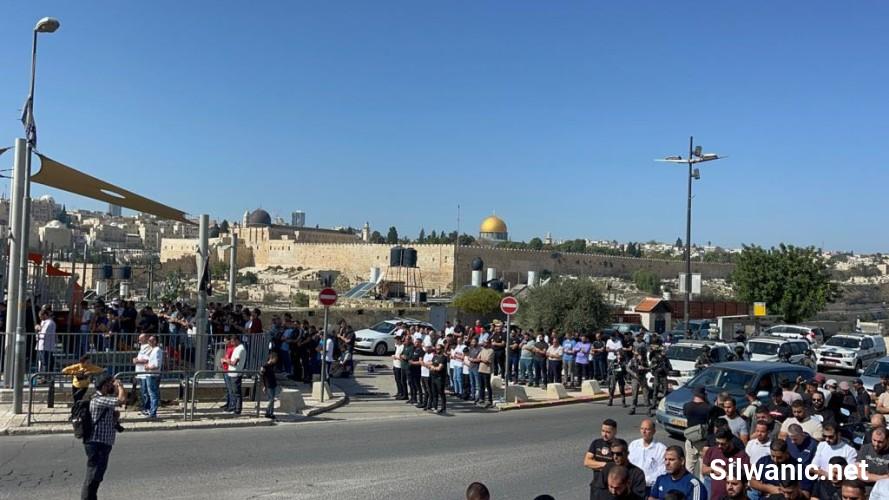
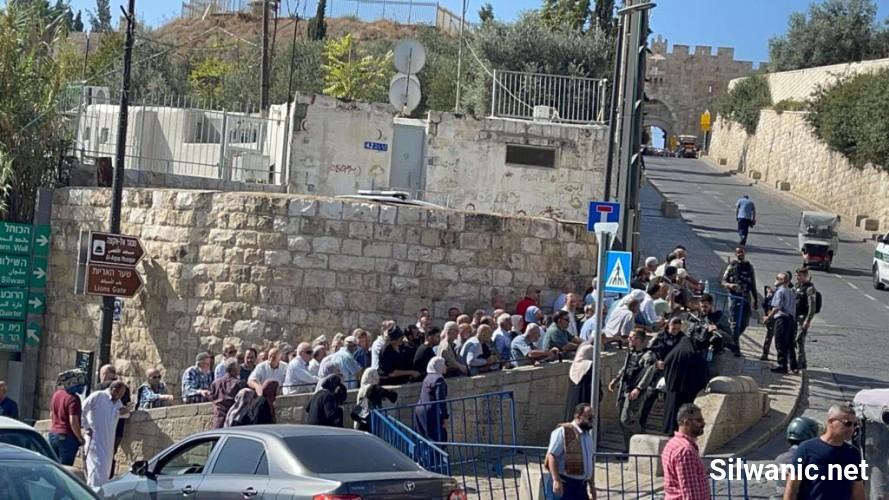
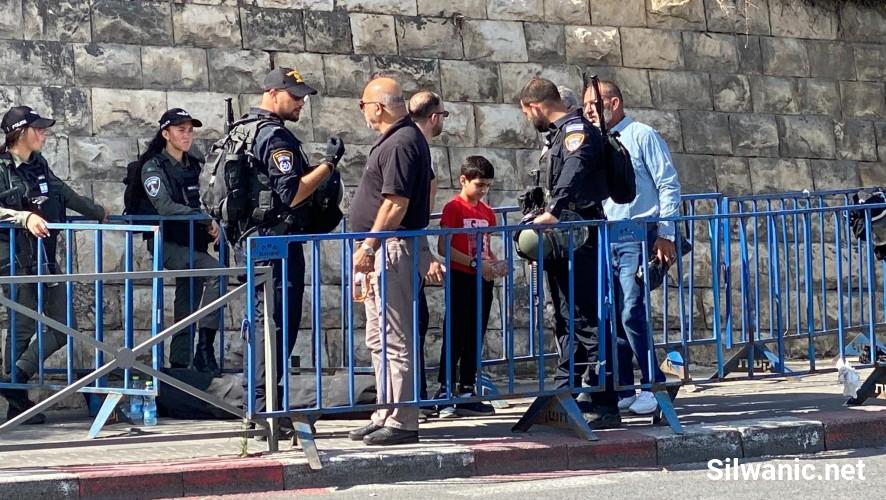
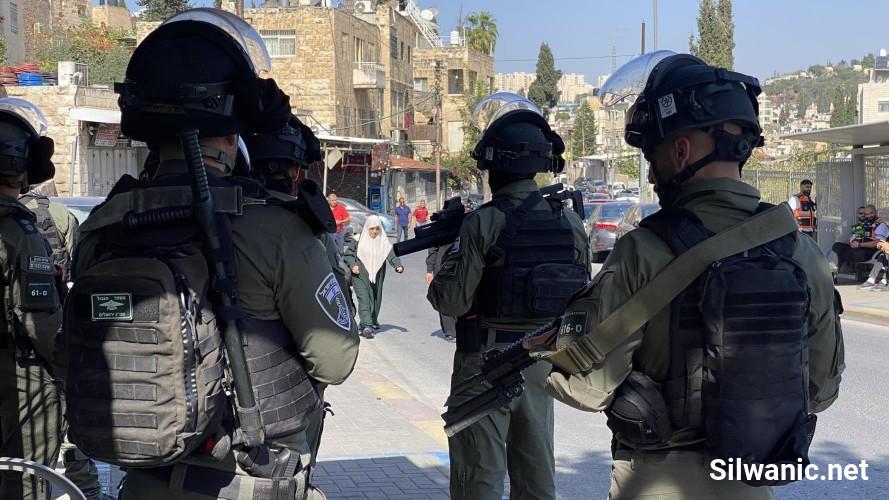
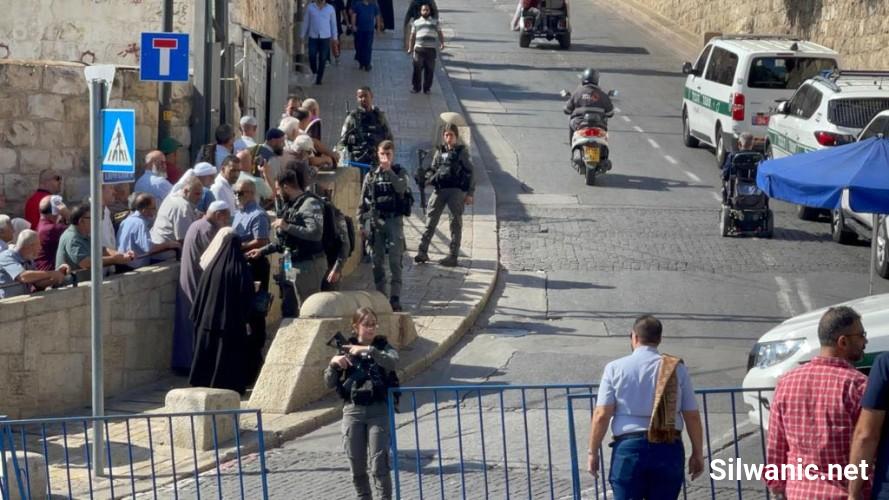
For the fourth consecutive Friday, the occupation authorities prevented worshipers from reaching Al-Aqsa and performing Friday prayers inside it, and since the early morning hours, police barriers were deployed in the streets of neighborhoods close to Al-Aqsa (Wadi Al-Joz and Silwan, in particular), in addition to the presence of teams on the roads leading to Al-Aqsa and its gates and the gates of the Old City.
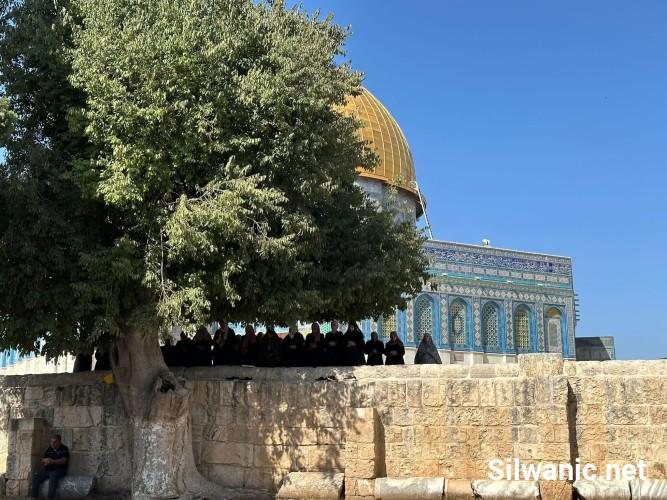
The forces deployed in the streets of Jerusalem prevented worshipers from entering Al-Aqsa, with the exception of a small number of elderly people. The Islamic Endowments Department said that 5,500 worshipers performed Friday prayers at Al-Aqsa.
The forces deployed in Jerusalem checked the identities of those arriving to Al-Aqsa, and prevented “young men and the elderly” from entering. A 63-year-old worshiper said: I passed through two checkpoints in Wadi al-Joz, and on the road to Lions Gate, “cemetery road”, a group of police forces were present. They checked my ID and asked me to return home... procedures according to the mood of the policeman.”
Meanwhile, a 77-year-old Jerusalemite said: The forces deployed in the streets of Jerusalem outnumber the worshipers who entered Al-Aqsa, a complete siege on Al-Aqsa to prevent us from reaching it on this holy day. On every street “outside the Old City” there are more than 3 checkpoints, all the way to one of the city’s gates, and through its alleys, until the gates of Al-Aqsa, it is the same scene… soldiers everywhere... arrests... identity checks... searching young men against the walls... hundreds being turned back... and allowing a small number to enter Al-Aqsa.”
Hajj Abu Ali, 80 years old, said: “The ban has been continuous since October 7, at all times and days. They do not care about our ages,” explaining that on an almost daily basis, entry to Al-Aqsa through Lions Gate is prevented on the pretext that “his residential address is outside the Old City.”
The occupation forces also continued to impose restrictions on the entry of funerals into Al-Aqsa, by allowing a small number of young men from the family of the deceased to enter the mosque, and this evening only two young men from the family of a deceased were allowed to enter Al-Aqsa to carry the body, while the rest were prevented and forced to wait outside the gates of Al-Aqsa.
Prayers on asphalt
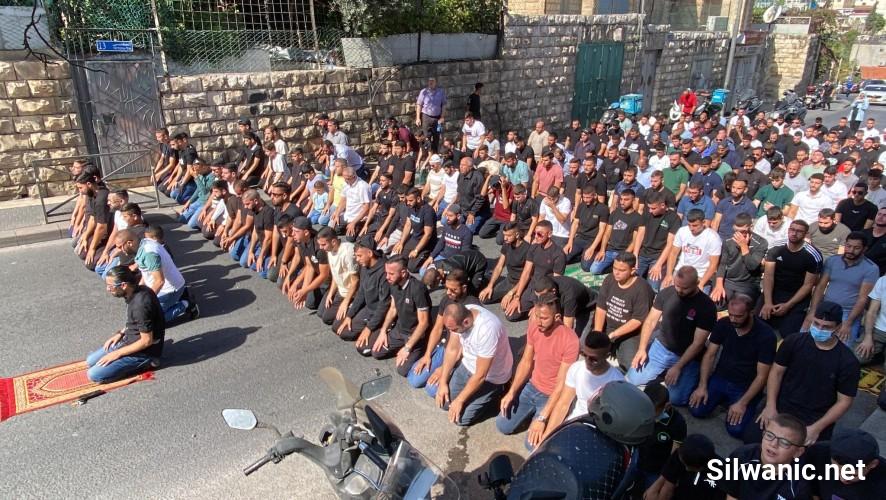
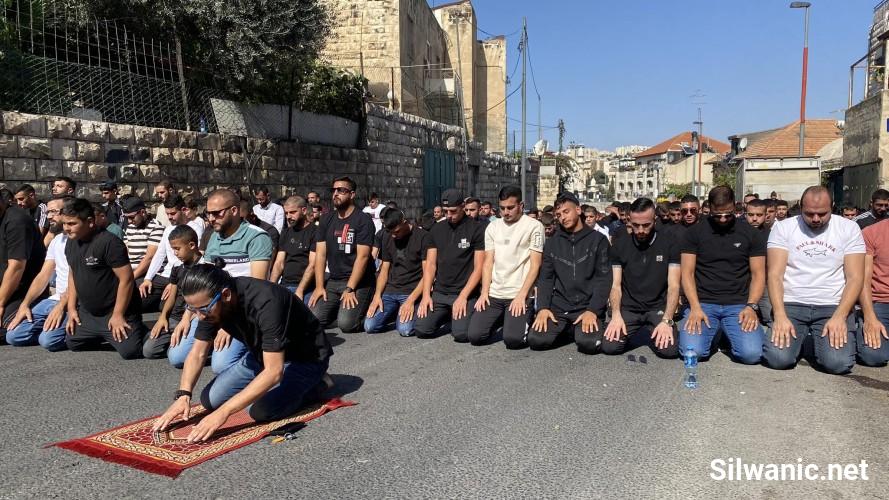
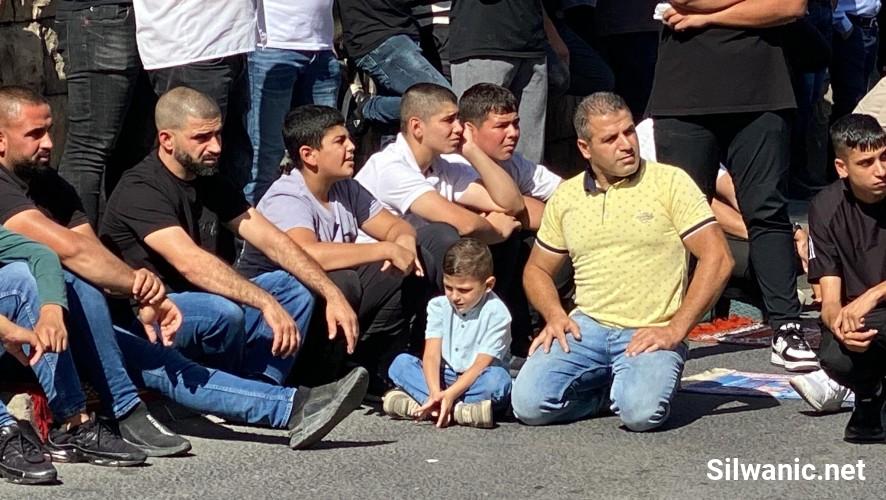
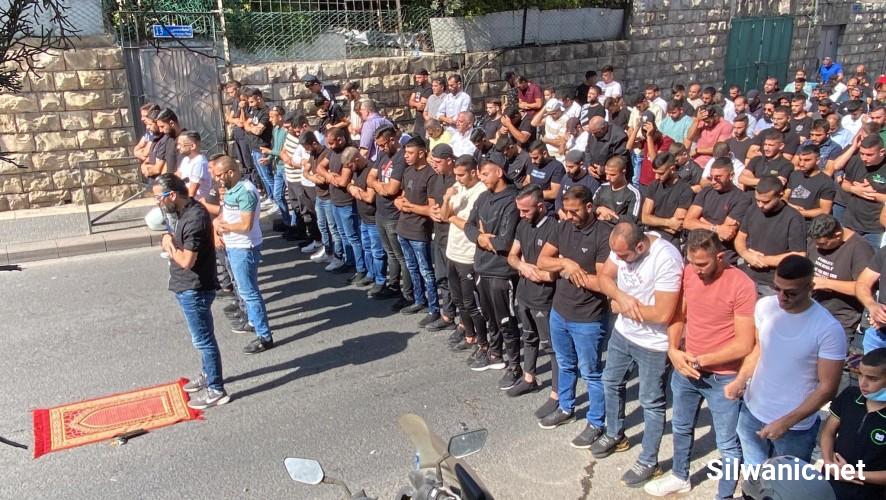
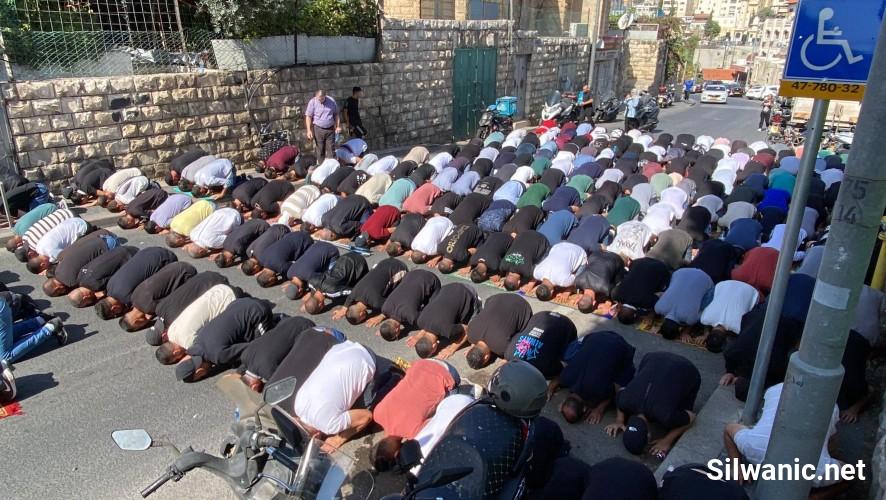
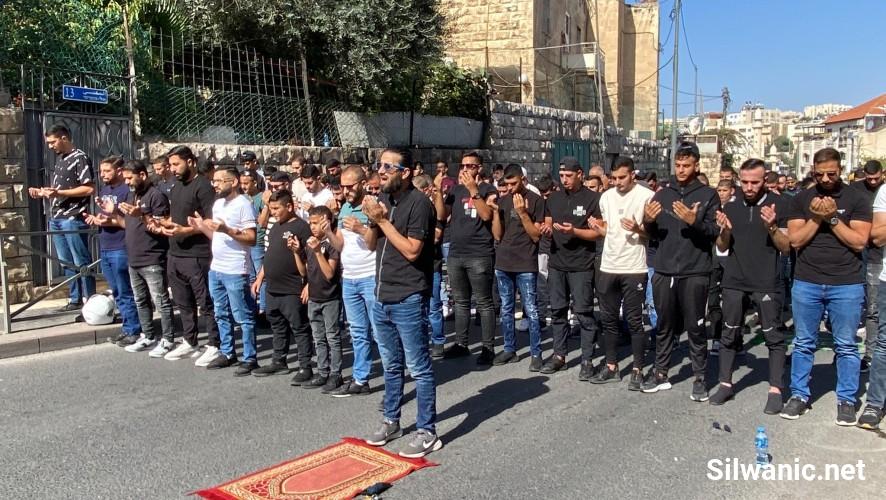
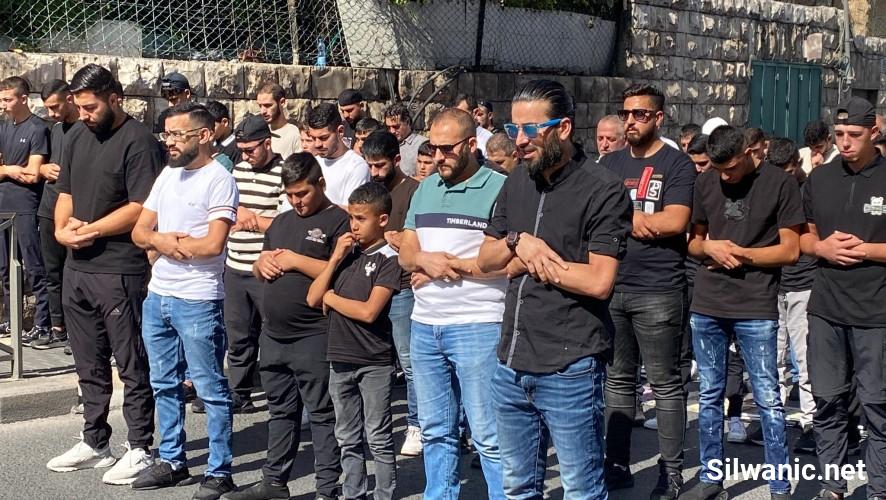
Hundreds of Palestinians performed Friday prayers on the asphalt “at the closest point they were able to reach” in the Wadi al-Joz neighborhood, Lions Gate, Ras al-Amoud, al-Zahra Street, and the alleys of the Old City and at the gates of al-Aqsa. The forces tried to prevent prayers in the streets, by beating, pushing, and threatening worshippers.
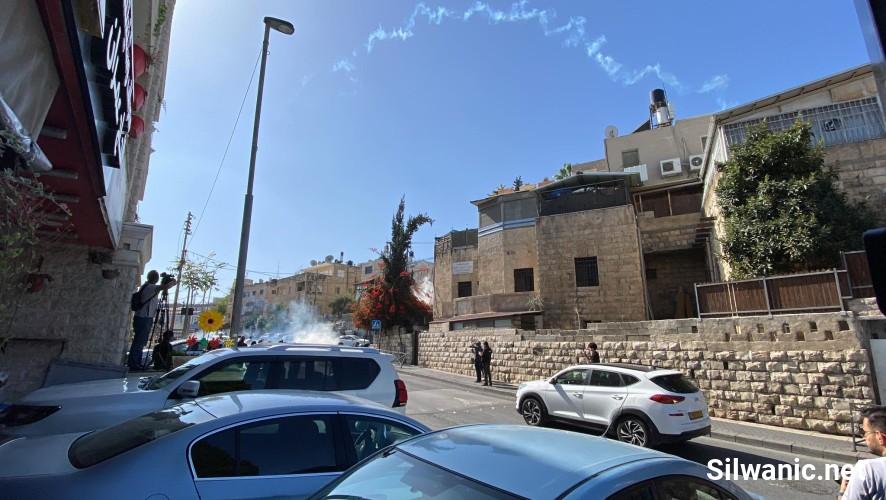
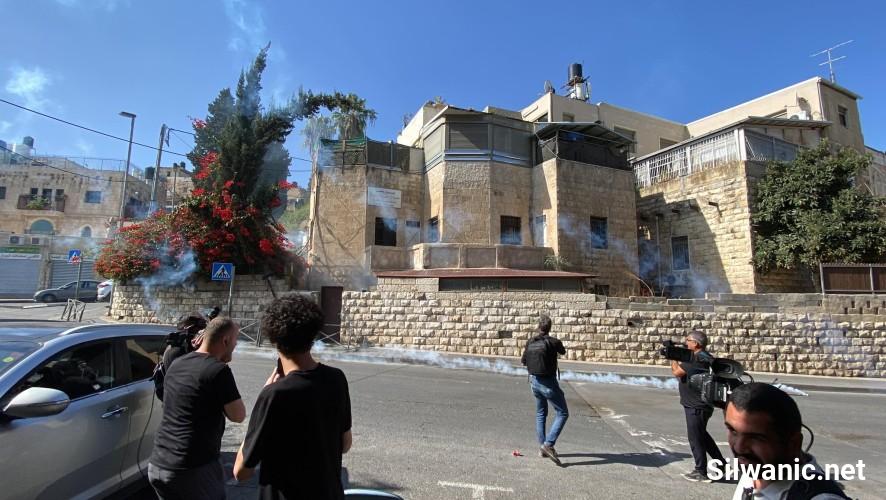
In the Wadi al-Joz neighborhood, immediately after the Friday prayer ended and the “takbeers” were blared, the forces threw tear gas bombs and sprayed wastewater.
Raids
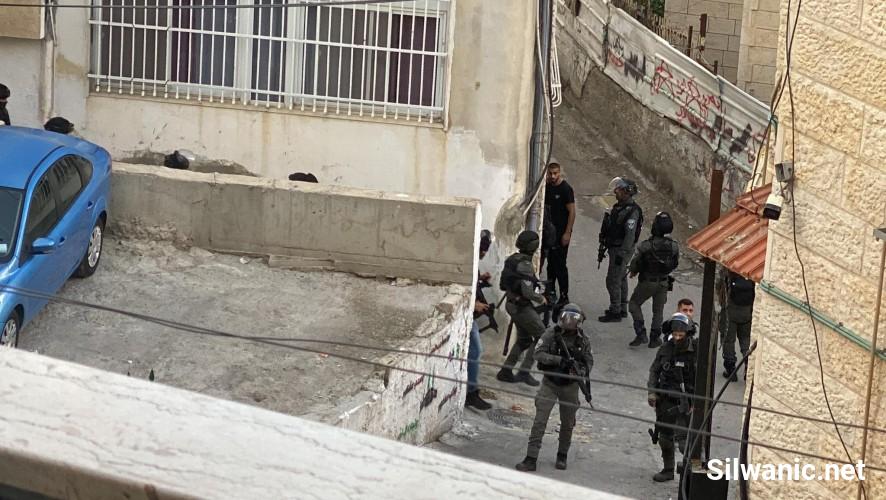
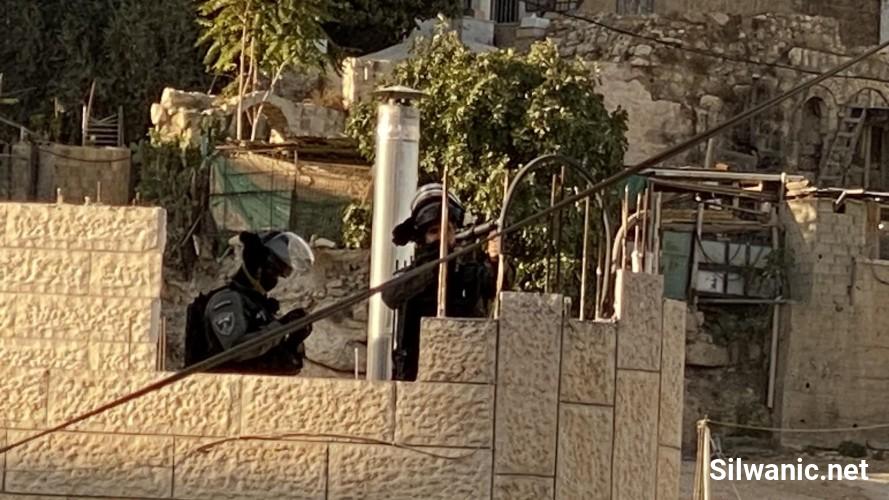
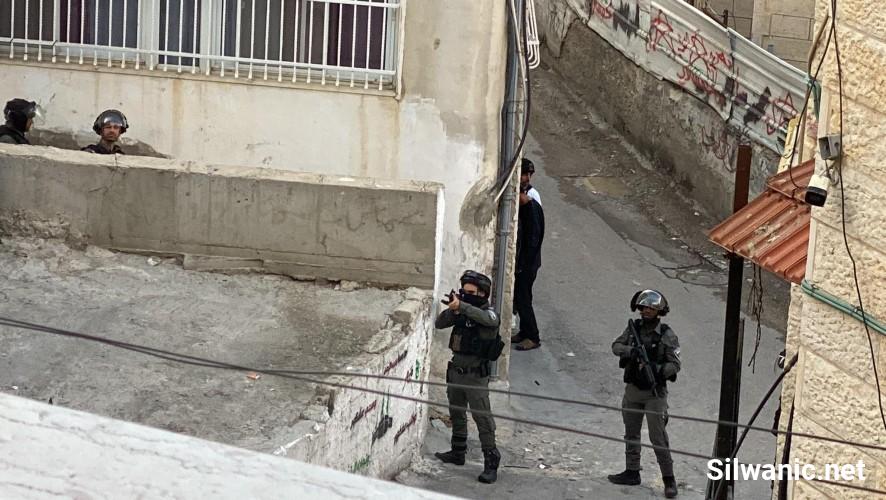
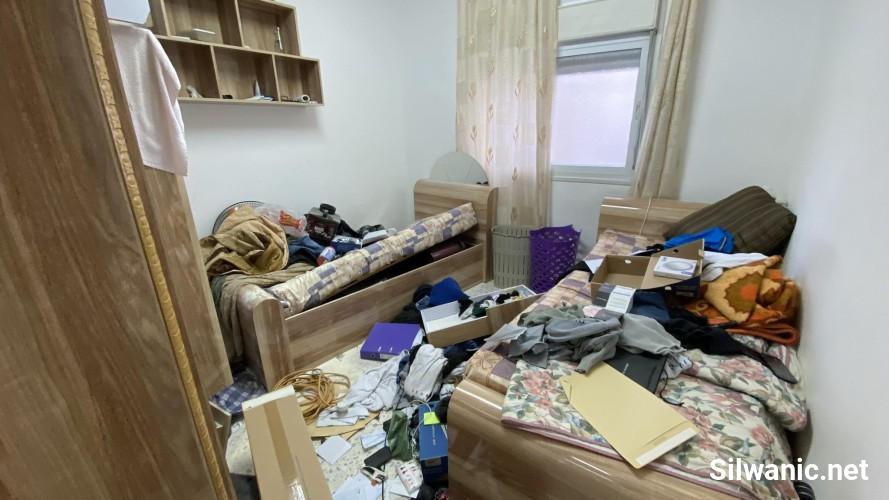
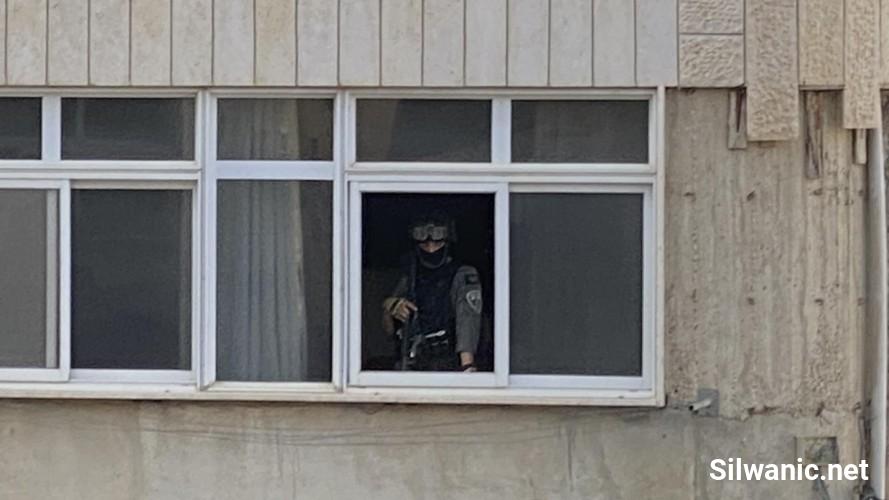
Large forces from the Special Units, Police, and Intelligence stormed the homes of the Obaid family in the village of Issawiya, after besieging the area and ascending nearby roofs.
Large forces deployed inside the alleys of “Obaid Neighborhood,” then raided the homes of “Ghaseb, Ahmed, and Salama Obaid.”
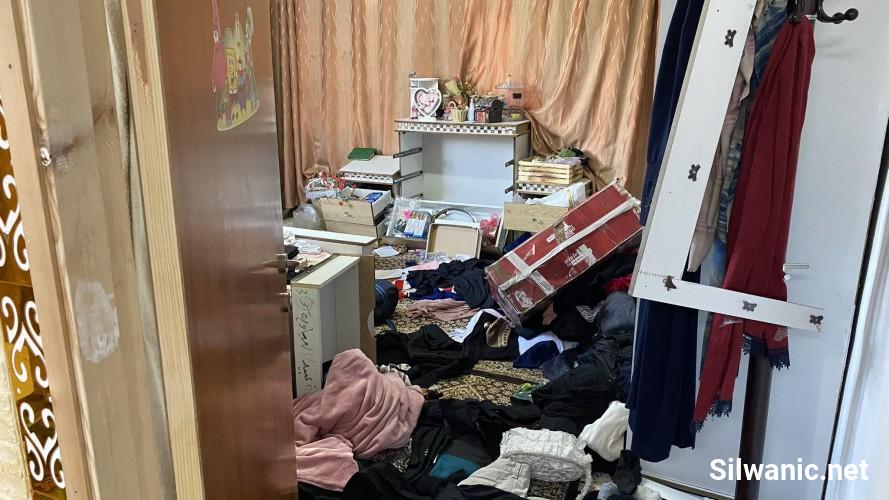
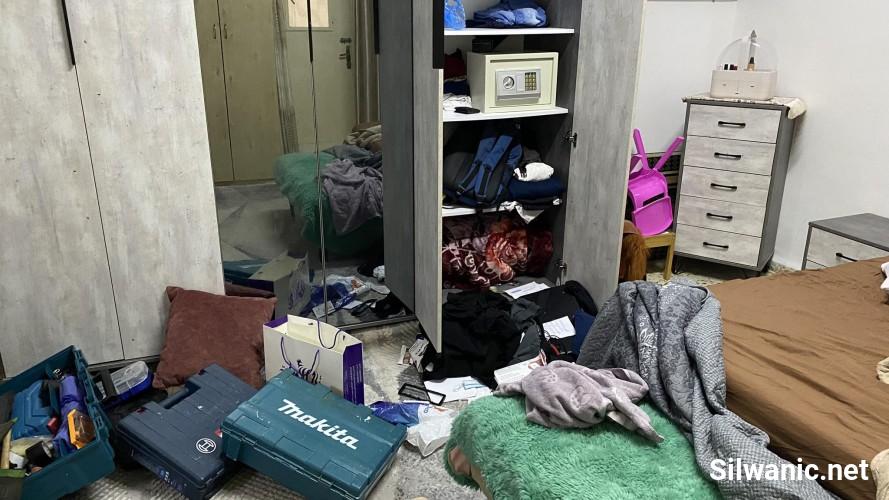
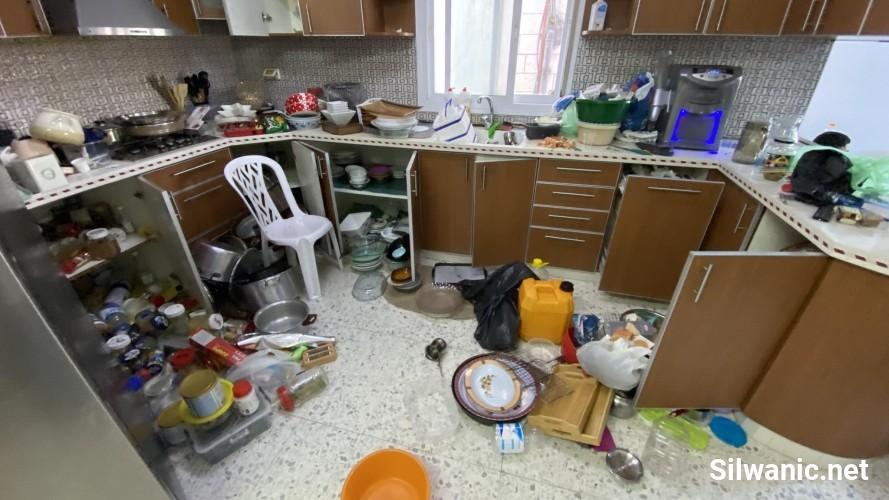
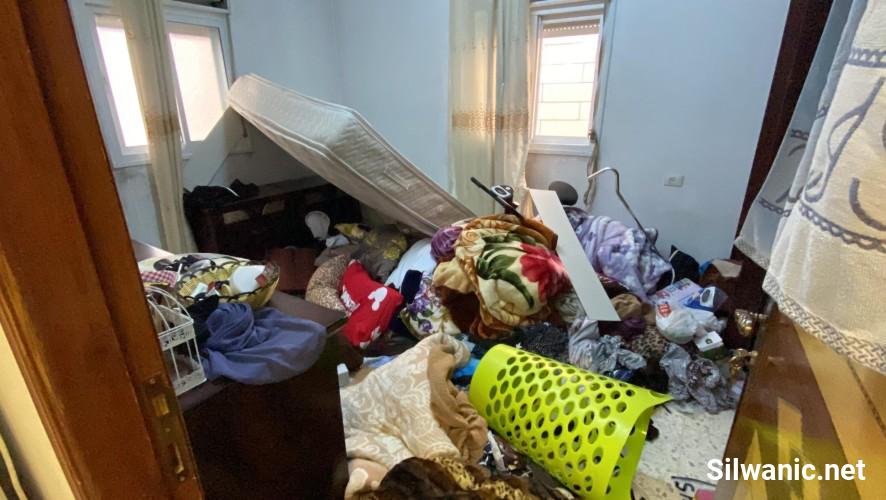
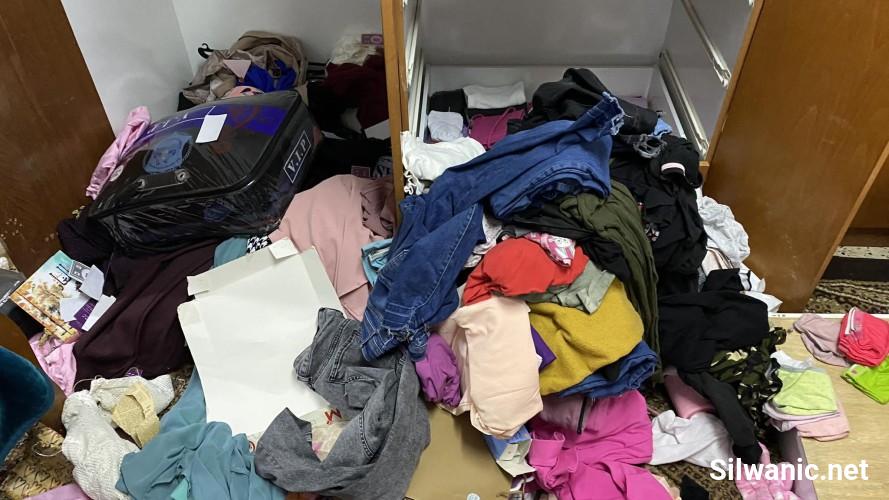
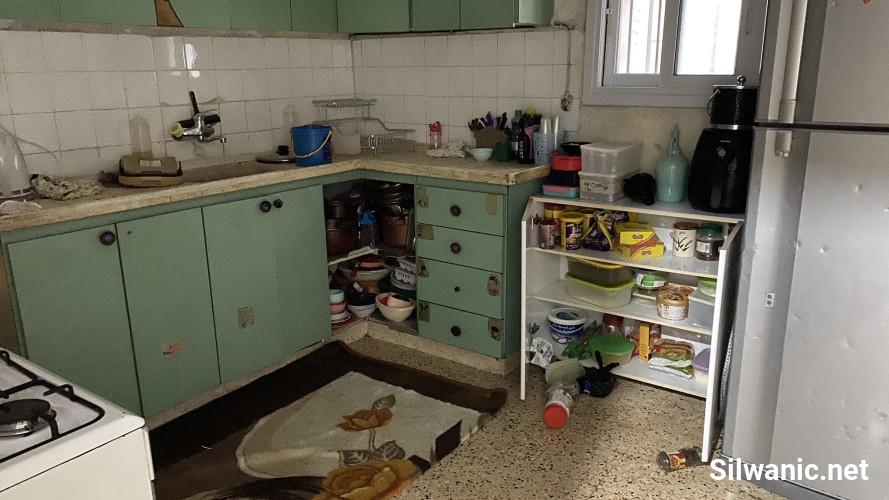
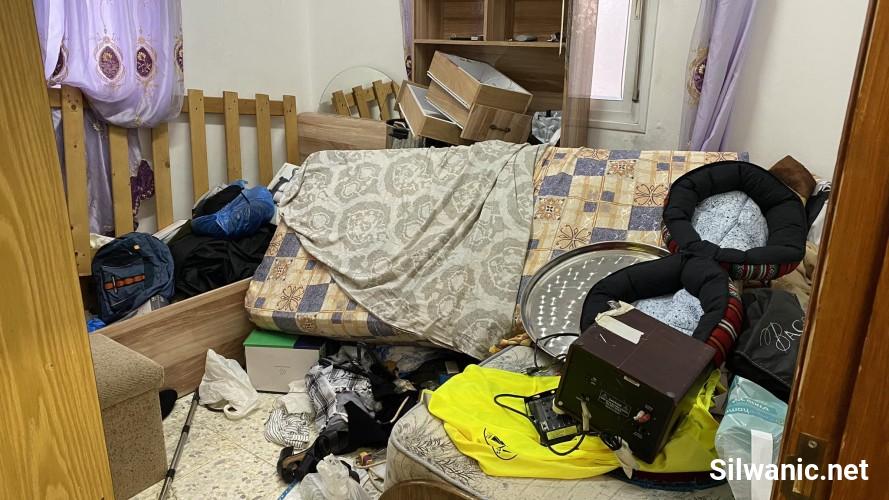
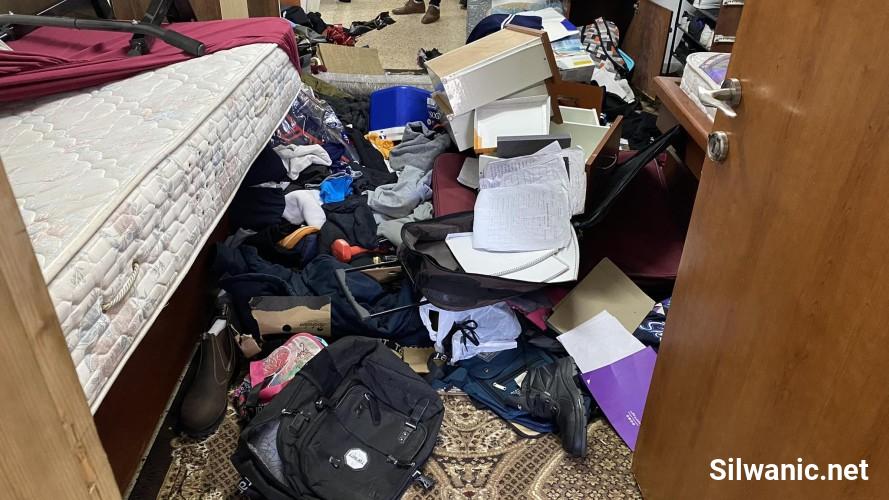
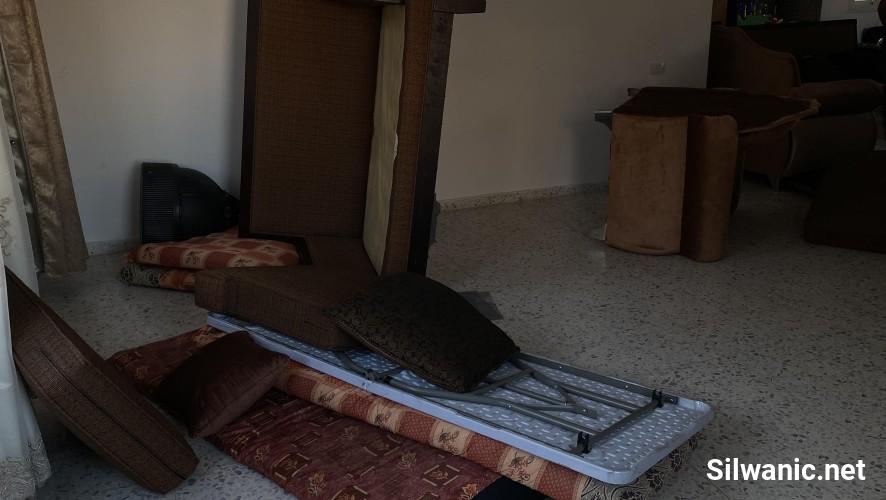
The Wadi Hilweh-Silwan Information Center explained that the forces stormed the houses after blowing up their doors, and carried out a thorough and complete search of all the rooms and contents of the house. Residents explained that the forces prevented the homeowners from opening their doors, as they insisted on blowing them up, destroyed the contents, and deliberately destroyed some of the furniture.
The Obaid family pointed out that the forces detained the family members in a corner of the house, beat one of the young men, and hit him on the back with rifle butts, causing him severe pain.
During the storming and withdrawal from Issawiya, the forces fired bombs, rubber bullets, and live bullets.
On Friday evening, clashes broke out in the Shu’fat refugee camp, and the forces fired gas bombs extensively into the alleys of the camp.
Arrests
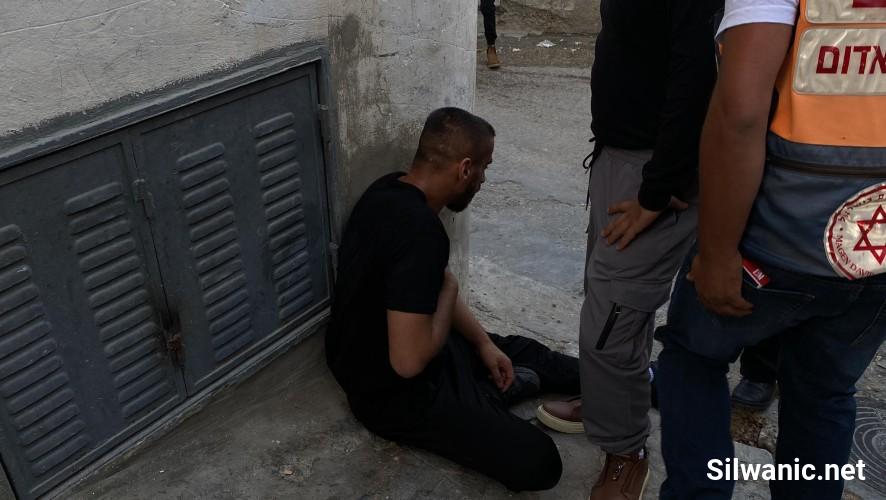
The forces continued arrests in Jerusalem, and the center monitored:
1. Photojournalist Hamza N’aji “was arrested while he was working in the Wadi al-Joz neighborhood, then he was released on condition of house arrest for 5 days.”
2. Ibrahim Salim
3. Abdul Hakim Salim
4. Mohammad Siam