Day 63: Al-Aqsa Flood Operation in the city of Jerusalem
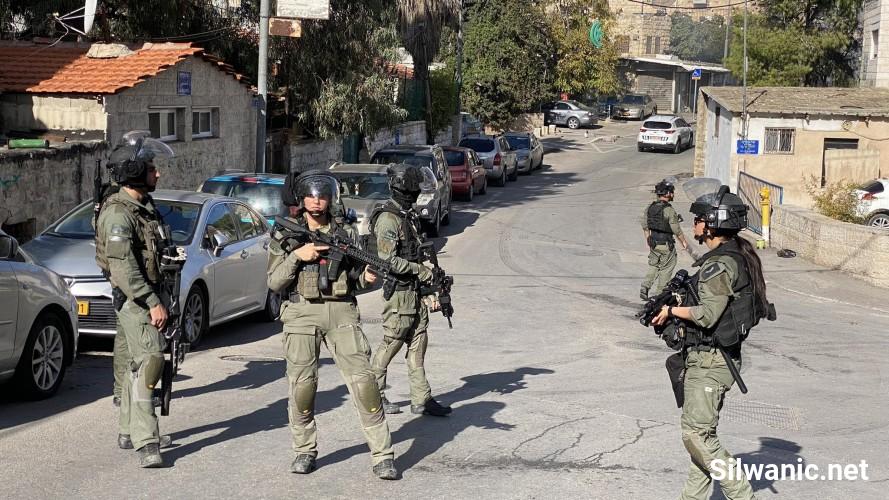
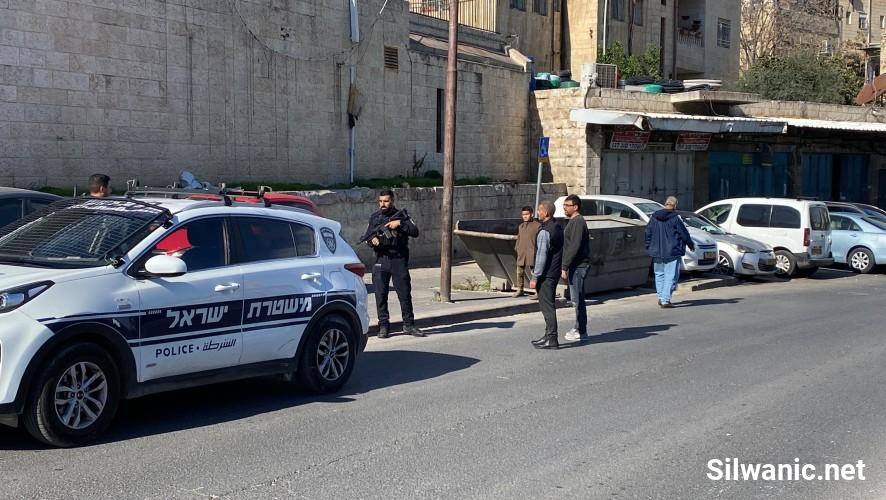
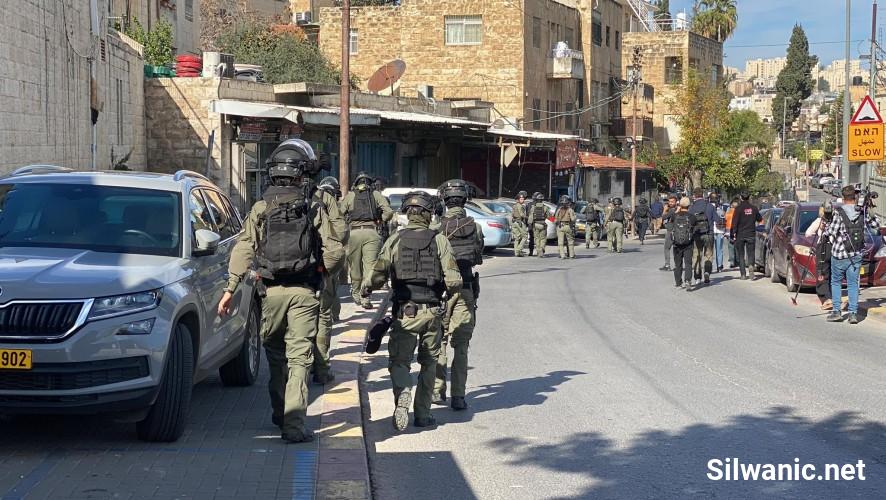
On the 63rd day of “Al-Aqsa Flood” Operation, the occupation authorities imposed restrictions on the entry of worshipers into Al-Aqsa Mosque to perform Friday prayers, and forces deployed in the city’s streets and neighborhoods.
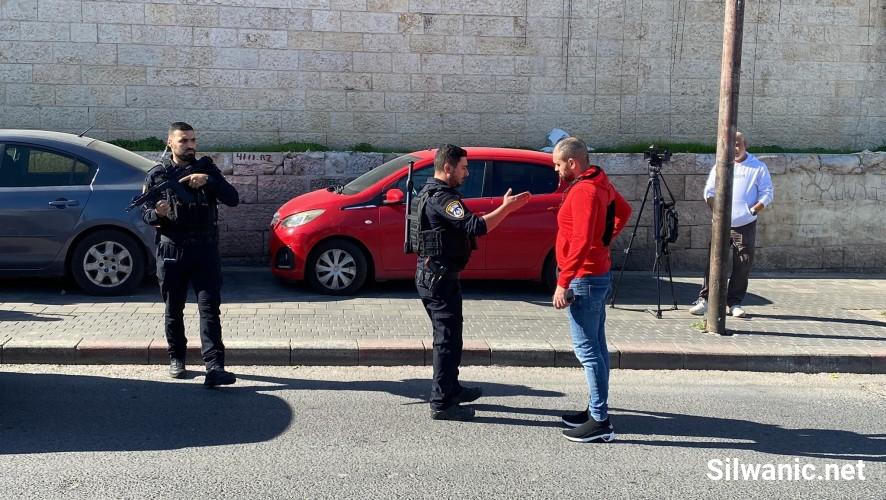
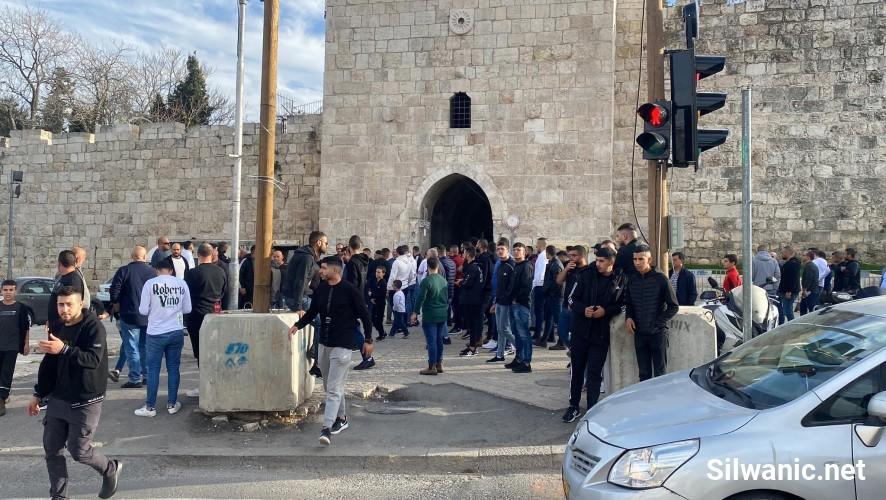
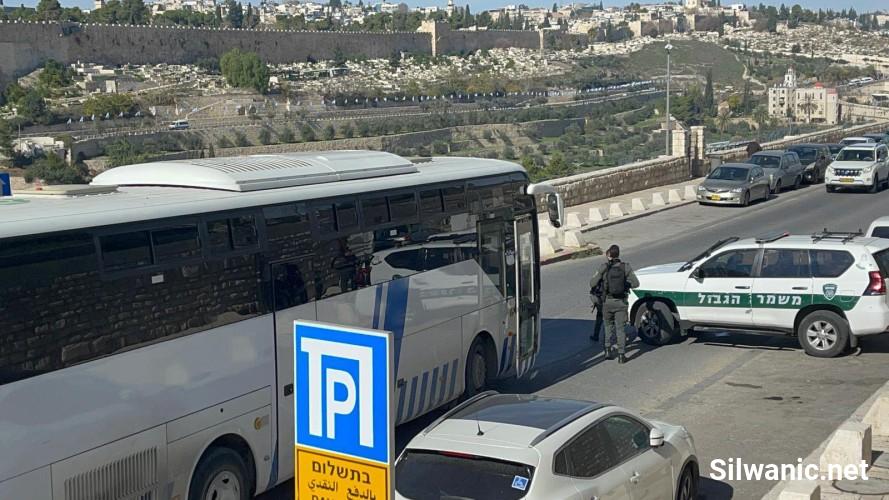
The Wadi Hilweh Information Center - Jerusalem explained that the forces, with their various teams and elements, were deployed at the gates of Al-Aqsa Mosque and the Old City, and the streets adjacent to them, and erected iron barriers on the roads, placed barriers, and prevented thousands of worshippers from entering Al-Aqsa to perform prayers.
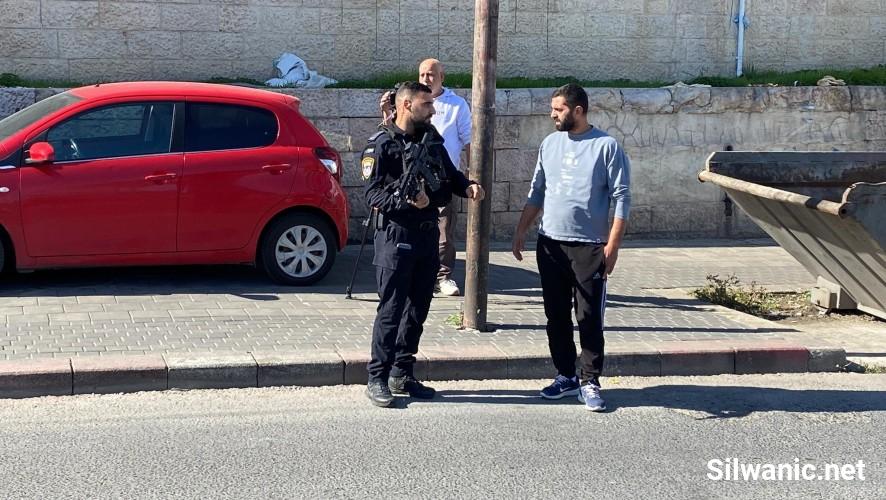
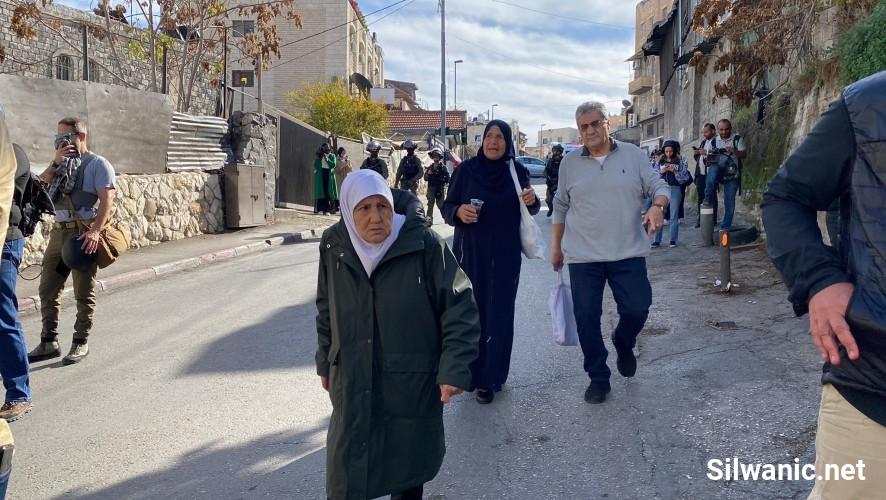
The center added that the forces set up checkpoints in the Ras al-Amoud/Silwan neighborhood, several checkpoints in the Wadi al-Joz neighborhood, at the entrance to Lions Gate, and thus they turned back many worshipers and prevented them from entering the Old City to reach Al-Aqsa, including elderly people.
As for the Old City, iron barriers were erected, and the forces also tightened the procedures for checking identities and inspections for all arrivals, and prevented entry except for a small number of people.
As for those who were able to enter and reach the gates of Al-Aqsa, “most of whom are residents of the Old City,” they were also subjected to detention, identity checks, and searches, and many were prevented from entering the mosque.
Eyewitnesses reported that the forces assaulted, beat and pushed worshipers in several areas in Jerusalem, while they were trying to reach Al-Aqsa.
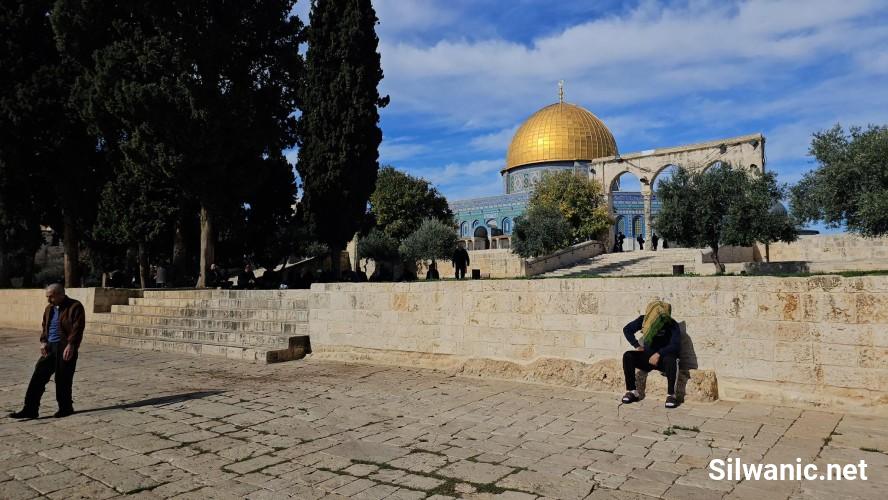
The Islamic Endowments Department said that 5,000 worshipers performed Friday prayers at Al-Aqsa Mosque.
The Information Center pointed out that this is the ninth Friday in a row, in which the occupation forces prevent worshipers from entering Al-Aqsa, and allow a small number of people, most of whom are elderly, to enter to pray at Al-Aqsa. The center explained that the number of worshipers in Al-Aqsa during Friday prayers “since the beginning of the war” has ranged between 3,500. -5,500 worshipers in Al-Aqsa only, at a time when the numbers exceeded hundreds of thousands.
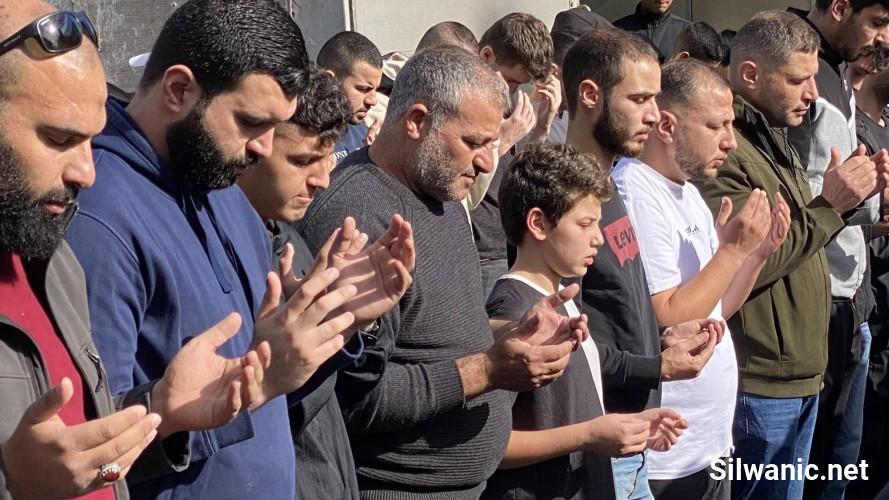
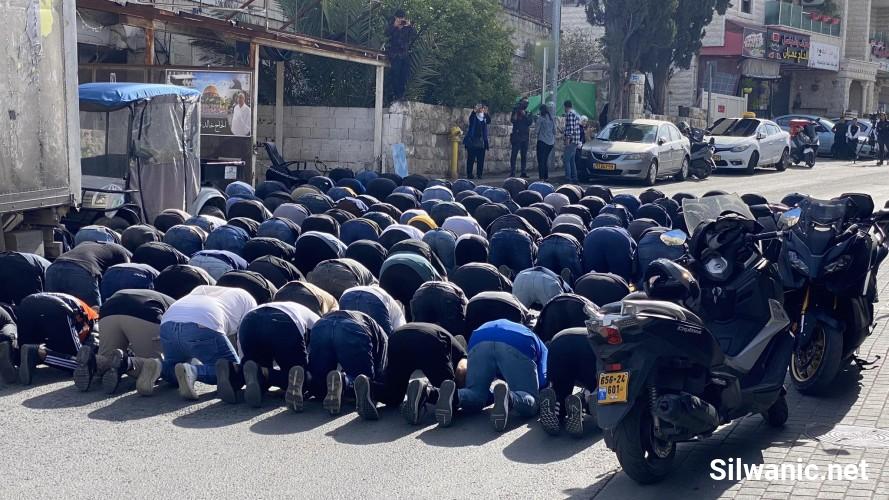
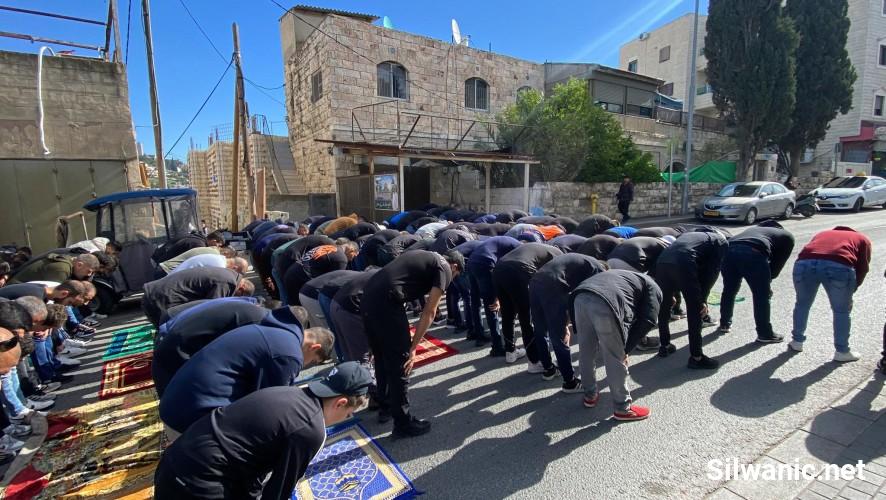
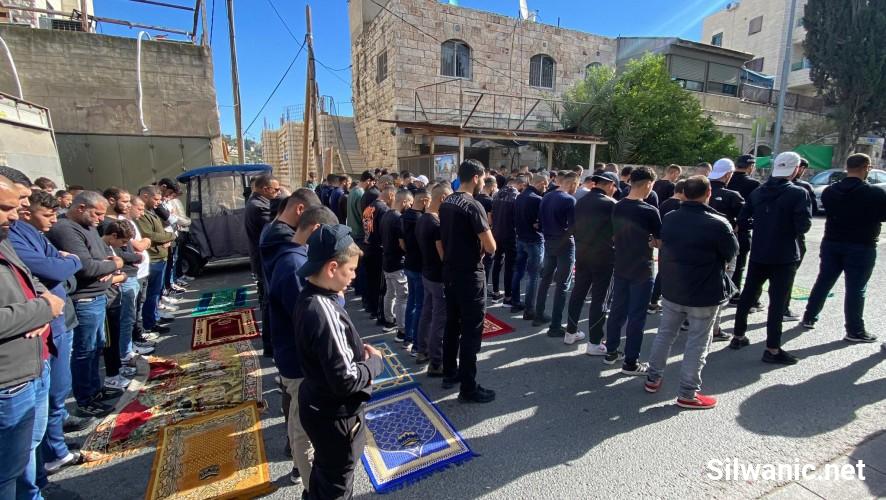
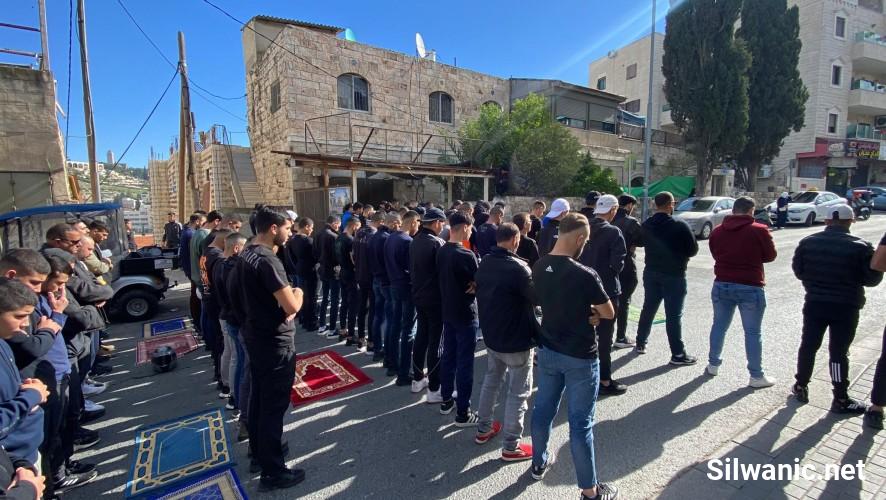
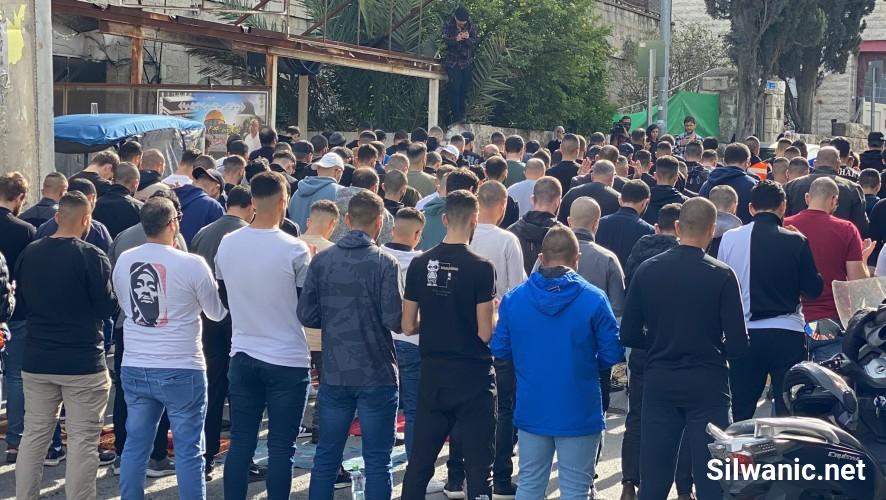
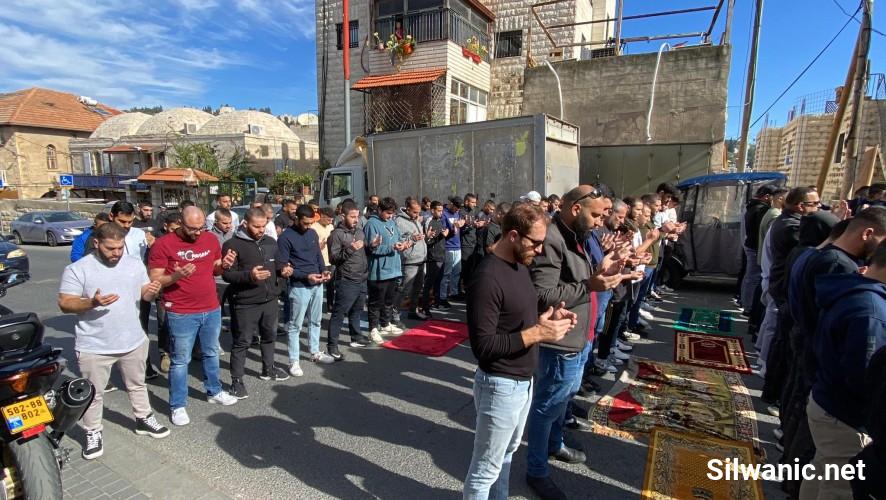
Those who were prevented from entering Al-Aqsa prayed in the streets of the city and on the thresholds of Al-Aqsa “on the asphalt,” despite attempts at repression, persecution, and threats of arrest.
Since the beginning of the war, the occupation authorities have imposed strict restrictions on “funerals in Al-Aqsa,” by limiting the number of people allowed to participate in entering Al-Aqsa “to carry the body and pray over it.” The police stationed at the gates specify a maximum of 10 people that are allowed to enter with the funeral, most of whom are elderly, while the rest are forced to wait outside the gates of the Old City, “Herods Gate or Lions Gate,” depending on the place of burial, and they are prevented from gathering at the gates of Al-Aqsa.
The family of a deceased person explained today that the forces forcibly removed them from the vicinity of Al-Aqsa, prevented the family from entering the mosque, allowed only 10 of them, and assaulted some by beating and pushing them.
The center pointed out that the siege imposed on Al-Aqsa Mosque has continued since the seventh of last October.
Confrontations in the Wadi al-Joz neighborhood
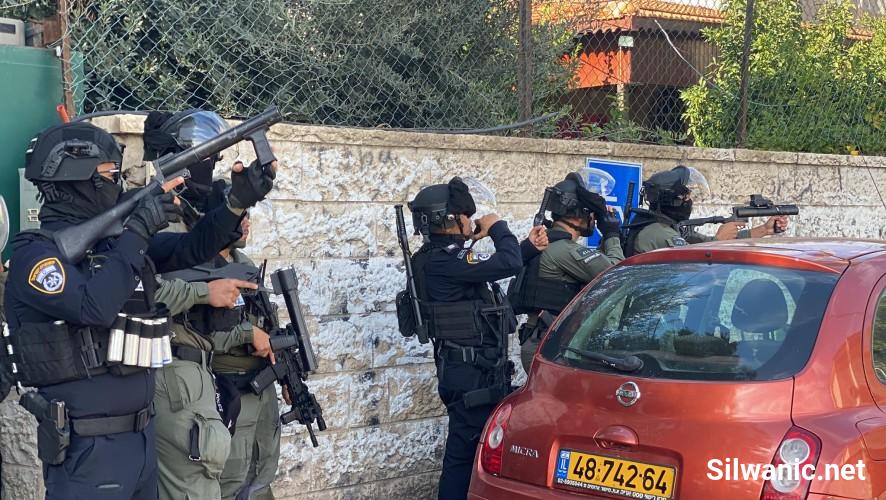
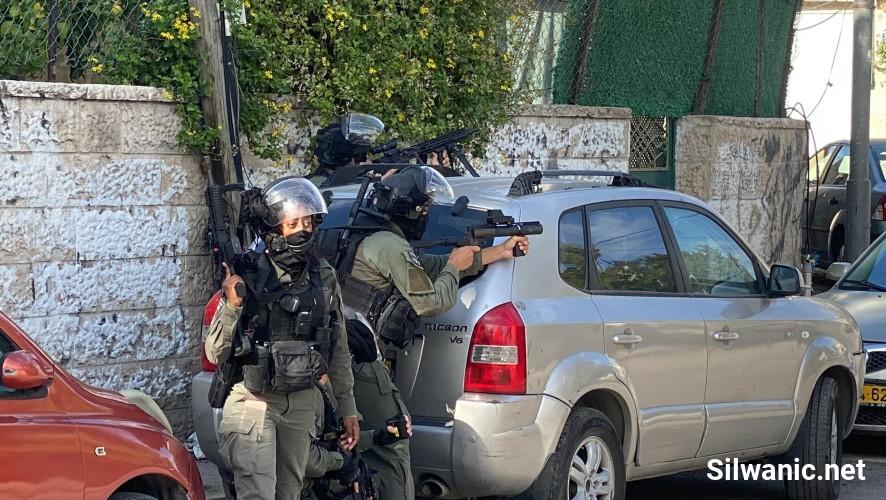
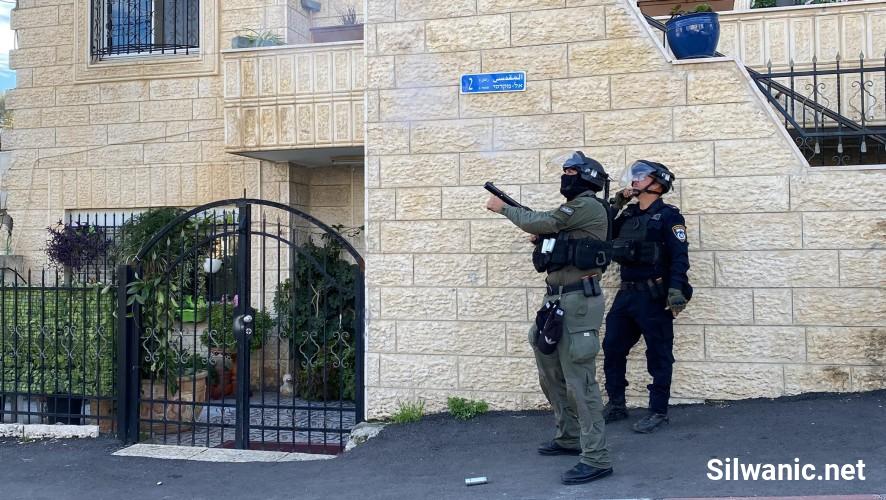
Confrontations broke out between the forces and young men in the Wadi al-Joz neighborhood in the city, and the forces fired gas bombs heavily into the neighborhood, and also sprayed waste water in the streets of the neighborhood and towards the homes.
The occupation forces set up a checkpoint on the road to the village of Sur Baher, and stopped and searched vehicles and checked identities.
In the early morning hours, the occupation forces arrested the Deputy Director of the Jerusalem Endowments, Sheikh Najeh Bkeirat, after storming his place of residence in the city of Bethlehem.
Last July, the occupation authorities deported Sheikh Bkeirat from the city of Jerusalem for 6 months.