Day 70: Al-Aqsa Flood Operation in the city of Jerusalem
On the 70th day of “Al-Aqsa Flood Operation,” sirens sounded in the city of Jerusalem and the sounds of explosions were heard in the city. The occupation authorities restricted the arrival of worshippers to Al-Aqsa to perform Friday prayers, carried out an arrest campaign in the city, and night confrontations broke out in Issawiya and the Shu’fat refugee camp.
Sirens
On Friday evening, sirens sounded in the city of Jerusalem, followed by the sounds of explosions which were heard in the towns and neighborhoods of the city, and interception missiles were also seen in the sky, after missiles were launched from the Gaza Strip towards Jerusalem.
Continuous siege... abuse of worshippers
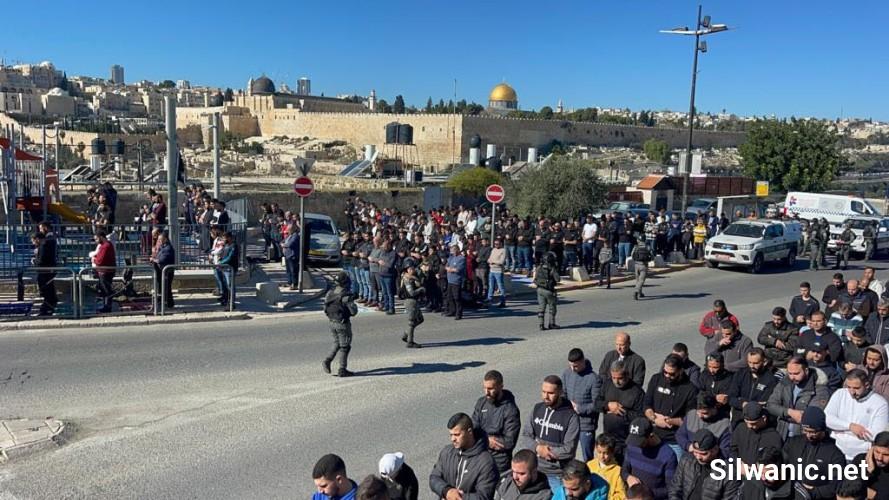
The occupation authorities prevented worshipers from arriving at Al-Aqsa Mosque to perform Friday prayers, for the tenth Friday in a row. The occupation authorities have taken these measures in the city of Jerusalem, which prevented tens of thousands of worshipers from reaching Al-Aqsa.
The Islamic Endowments Department estimated the worshipers who were able to reach Al-Aqsa and pray there at 7,000 worshippers.
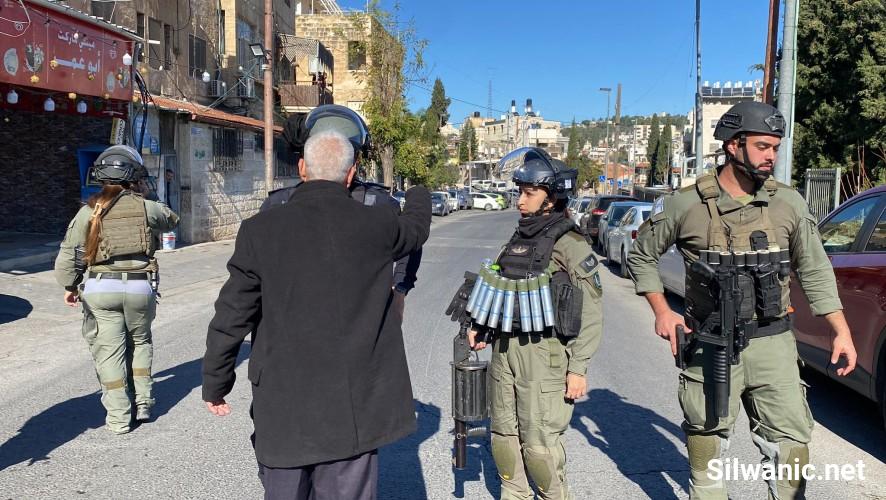
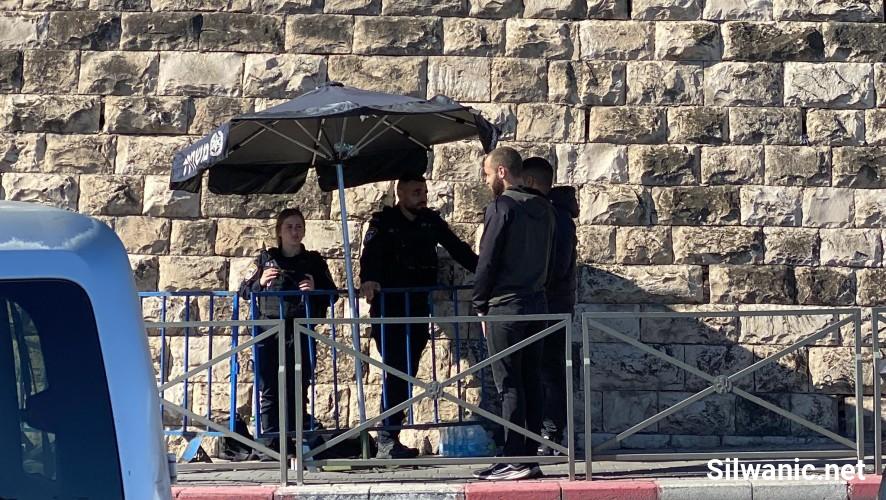
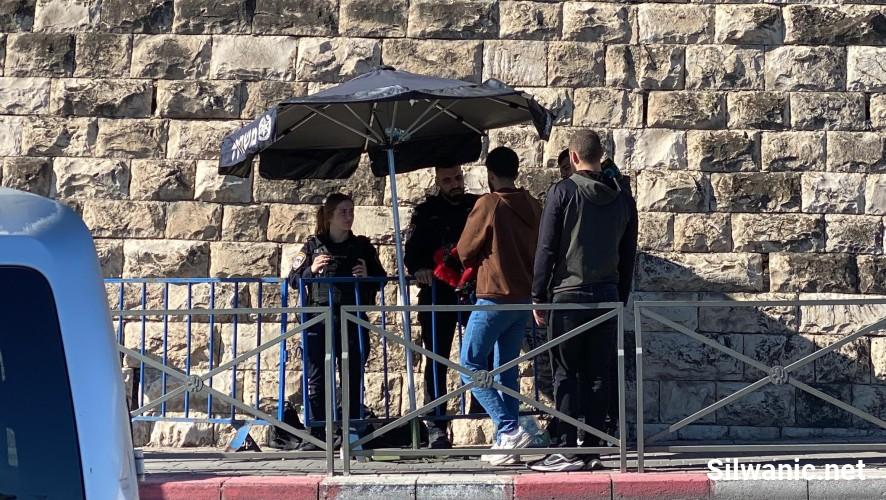
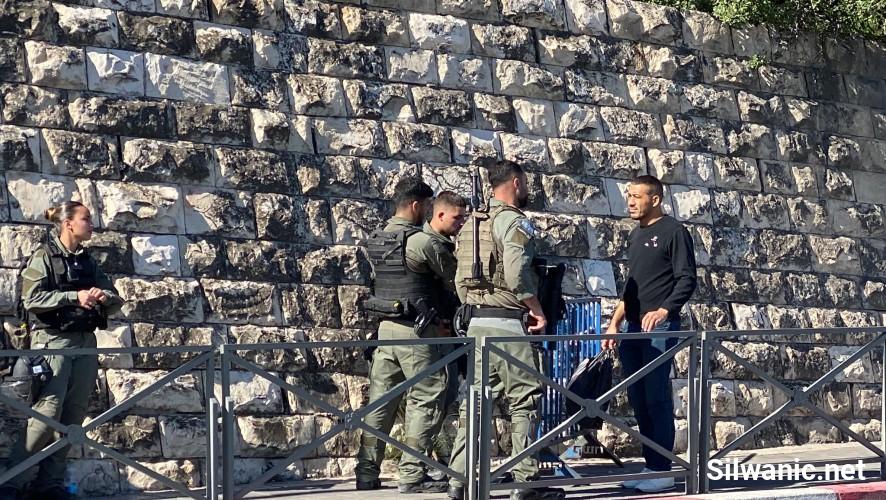
The occupation forces were stationed at the gates of Al-Aqsa Mosque and the gates of the Old City, and placed iron barriers and set up checkpoints in several streets and neighborhoods leading to Al-Aqsa, most notably in the Wadi Al-Joz neighborhood (more than one checkpoint), Lions Gate road, inside the Yusufiya Cemetery, Ras Al-Amoud neighborhood (more than one checkpoint), in addition to soldiers roaming the alleys of the Old City and the roads leading to Al-Aqsa.
The occupation forces returned the worshipers and prevented them from reaching the Old City or Al-Aqsa Mosque, and the center monitored the prevention of worshipers in the streets of Jerusalem and the Old City.
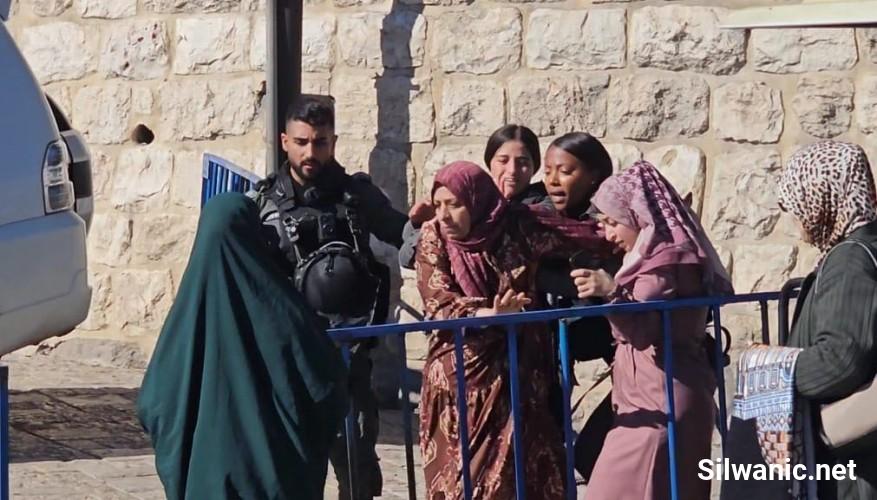
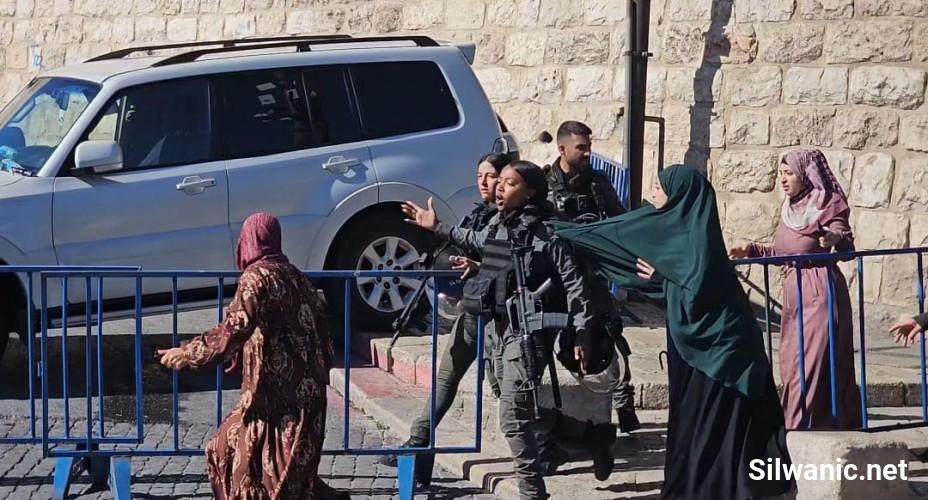
The occupation forces attacked the worshipers during their attempt to reach Al-Aqsa, by beating and pushing them, especially in the Lions Gate area.
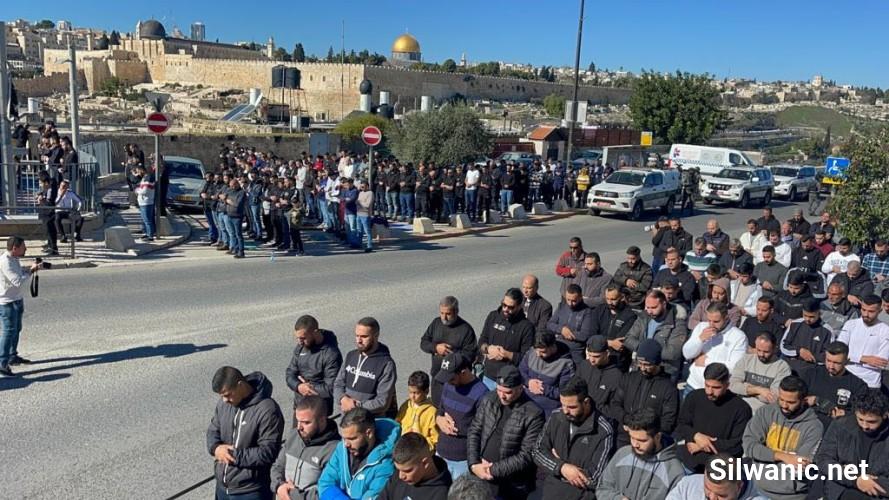
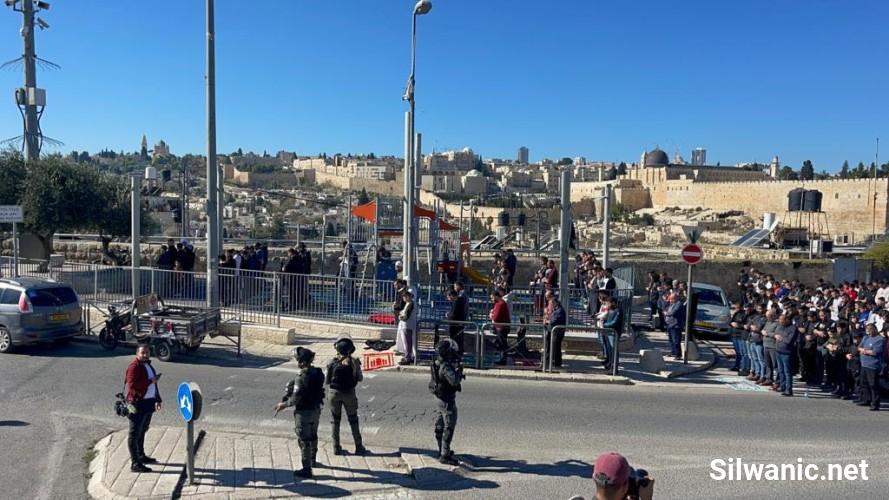
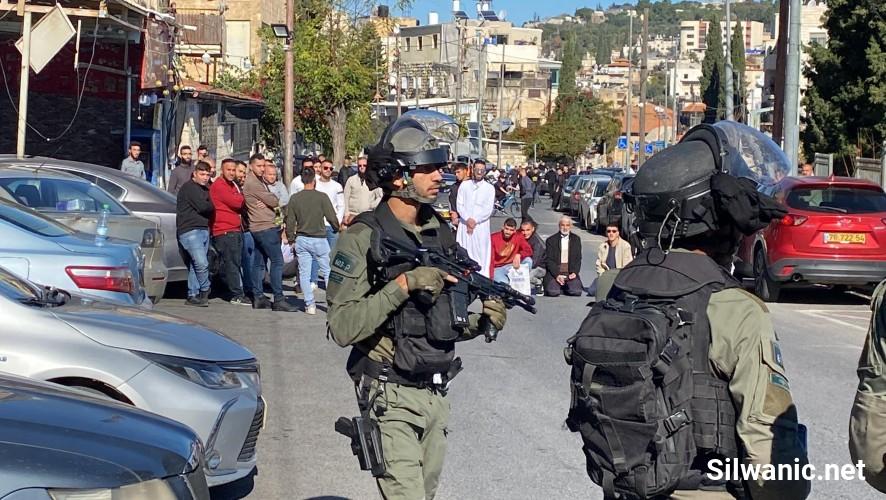
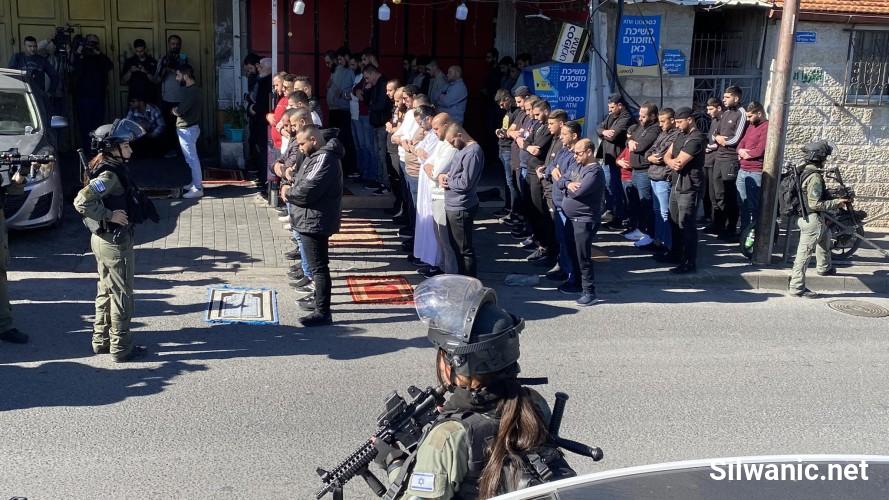
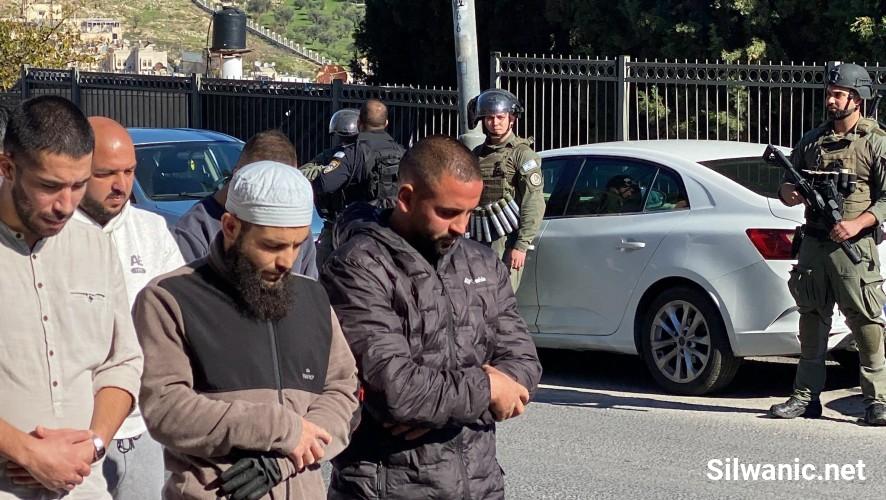
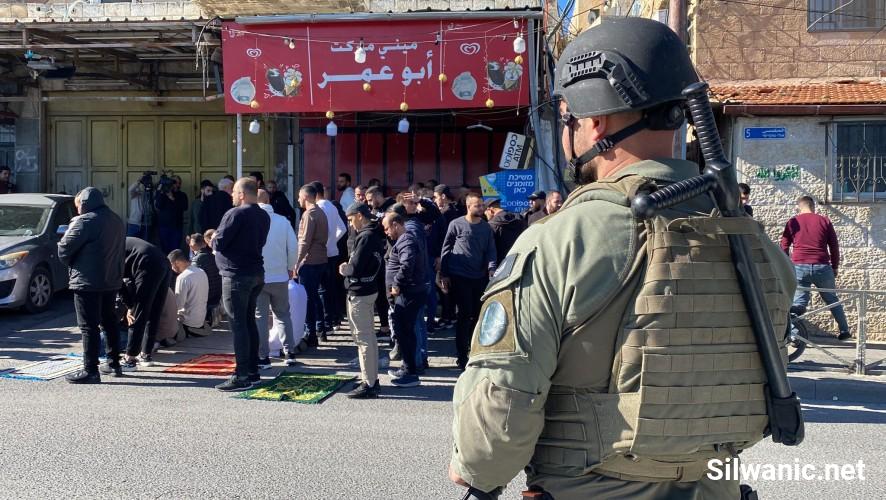
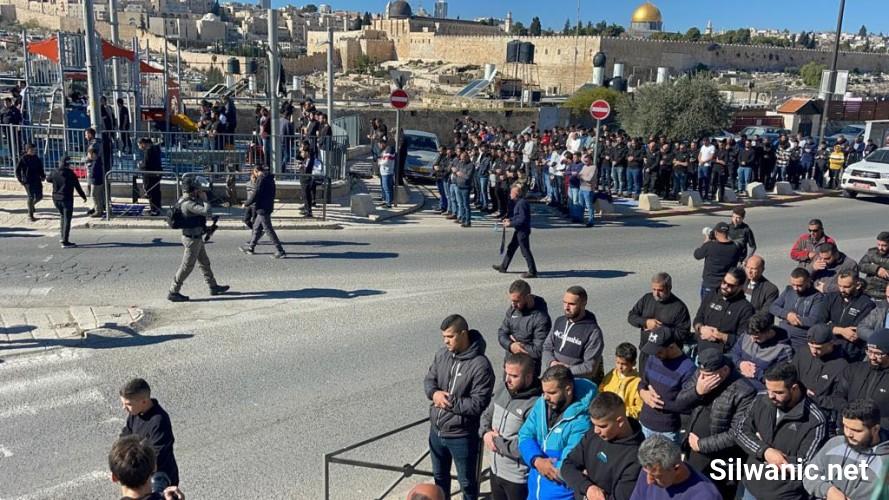
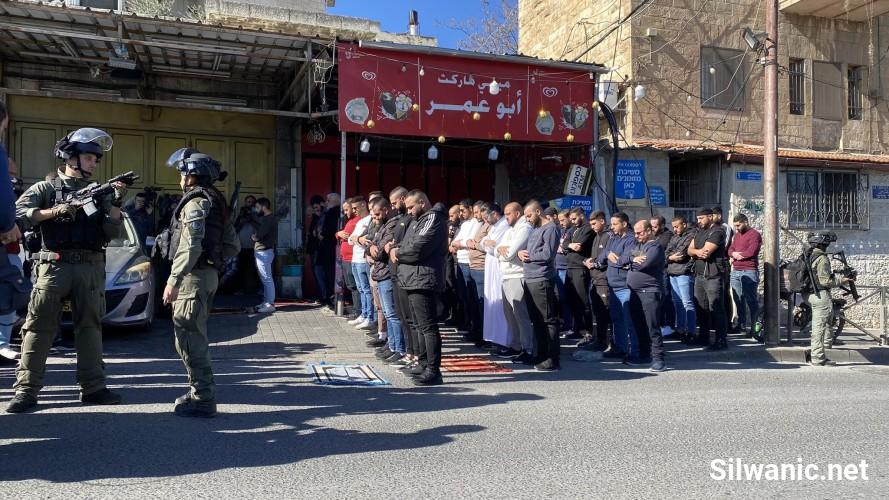
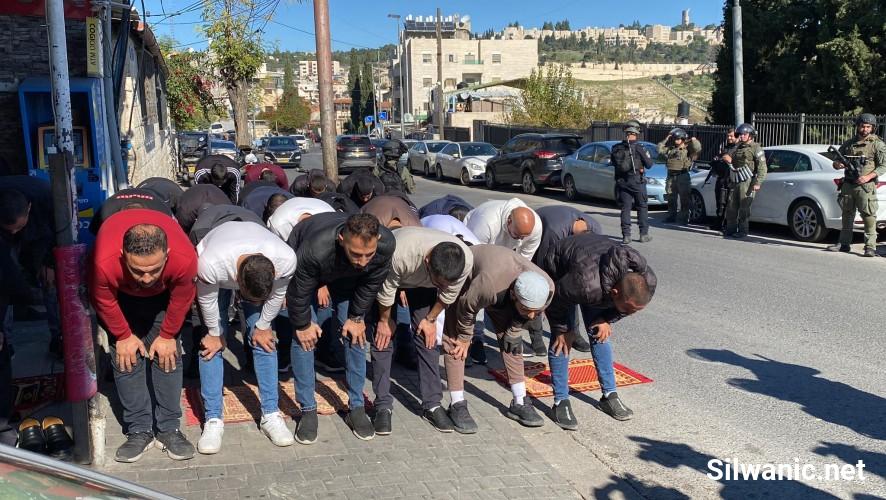
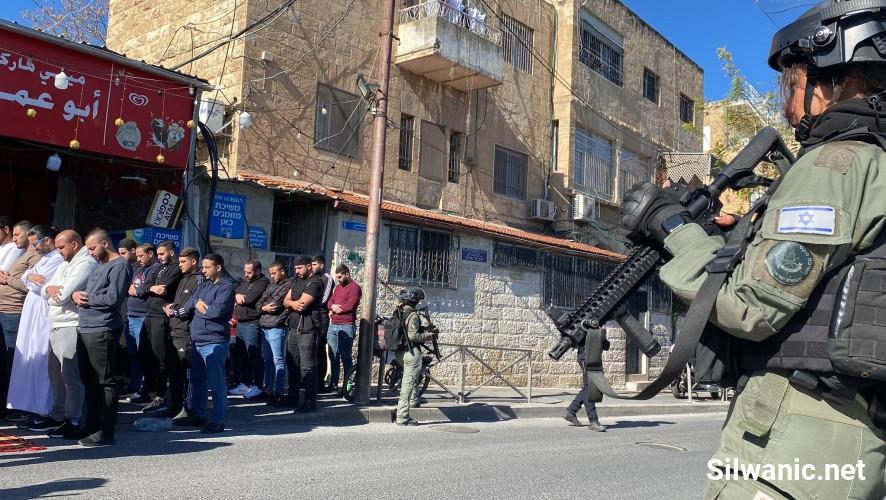
The occupation authorities tried to prevent prayers in the streets of Jerusalem “after preventing access to Al-Aqsa,” and pursued young men from one place to another to keep them away from the vicinity of the Old City and Al-Aqsa, and threatened to suppress them and carry out arrests if the street was closed during prayer, which forced the young men to pray on the side of the road in several areas in the city of Jerusalem.
In the Wadi Al-Joz neighborhood, the forces fired gas bombs while pursuing the young men.
Since the seventh of October, the forces have continued their siege of Al-Aqsa, preventing entry to it except for a small number of worshipers, most of whom are elderly.
Wadi Al-Joz neighborhood... arrests and assaults
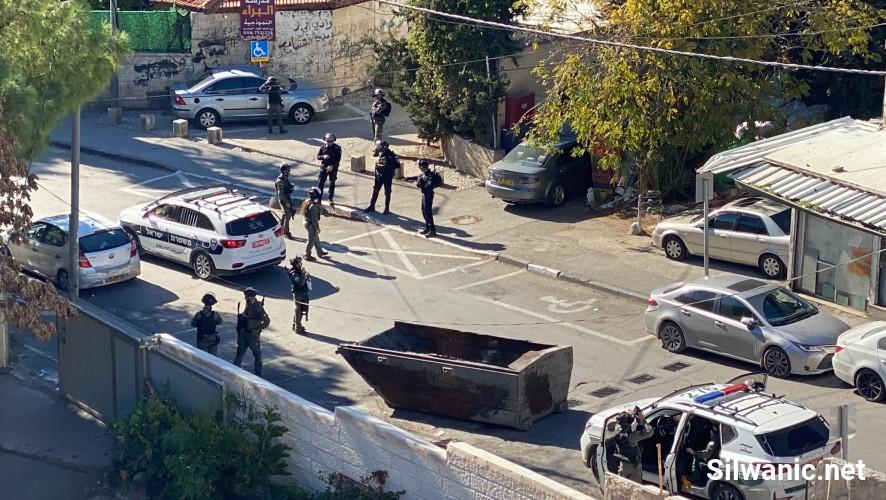
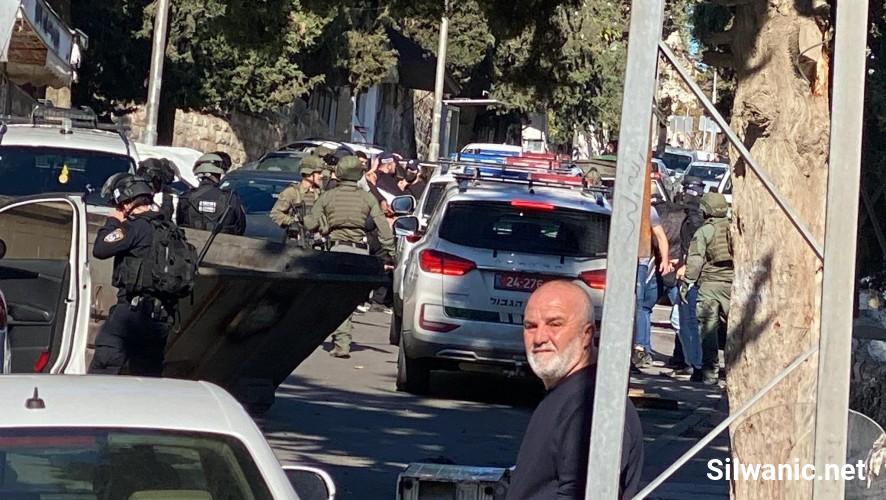
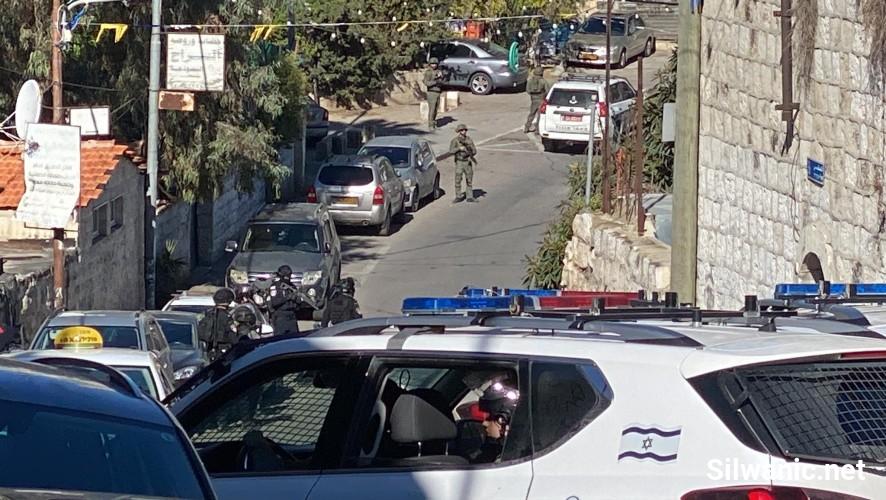
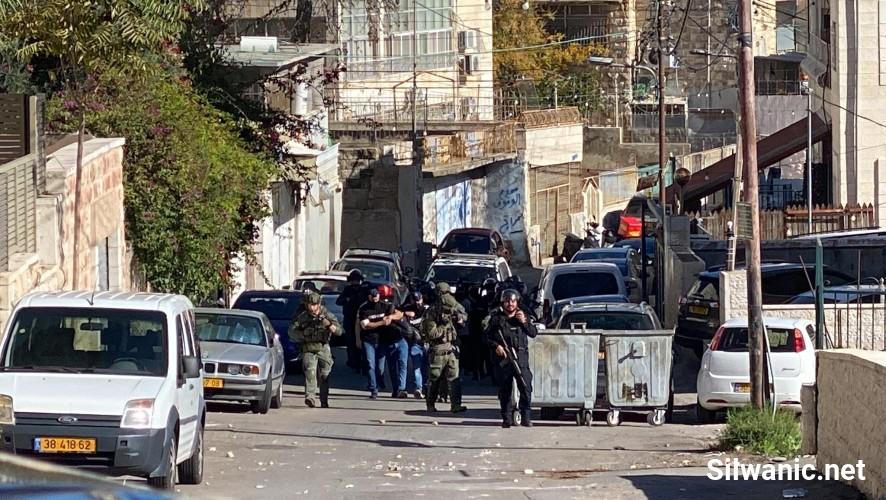
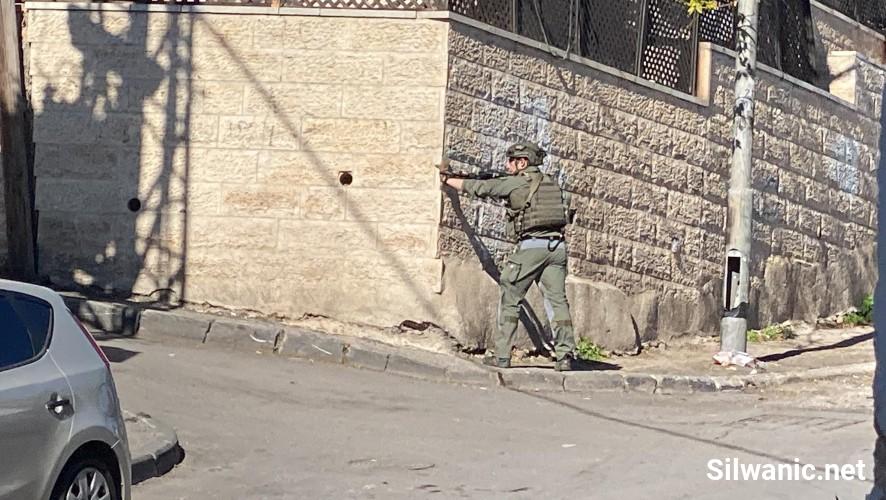
The occupation forces stormed the Wadi al-Joz neighborhood, coinciding with Friday prayers, then closed the entire area and prevented access to it, especially for press crews. An hour after the closure, the Musta’ribeen unit (undercover police) stormed the neighborhood and carried out arrests from it, after firing sound bombs to drive the residents away. They also pursued some people to their homes and pointed their weapon at them.
Eyewitnesses explained that Musta’ribeen individuals stormed the Wadi al-Joz neighborhood from several directions, and a number of them were in a minibus that stormed the neighborhood from the main street.
Siraj Abu Arafeh, the lawyer of the Wadi Hilweh Information Center - Jerusalem, explained that the forces arrested 7 Jerusalemites from the Wadi Al-Joz neighborhood. They are: the two brothers Wael and Mahmoud Abu Lafi, Omar Siam, Mohammad Saeeda, Zakaria Murrar, Walid Jubran, and Ibrahim Mir’ee.
Lawyer Abu Arafeh explained that the police released all the detainees, except for the boy Walid Jubran, and extended his detention until tomorrow.
The forces also arrested the young man, Mohammad Siaj, from the vicinity of the Wadi Al-Joz neighborhood, coinciding with Friday prayers.
Assault on press crews
The occupation forces obstructed the work of press crews in the Wadi Al-Joz area, by preventing them from moving and forcing them to remain in a certain area. During this, they attacked the photojournalist, Mustafa Al-Kharouf, by severely beating him with rifle butts on his head, and by directing blows to his head after he was pushed and fell to the ground.
Night confrontations
Confrontations broke out in the village of Issawiya and the Shu’fat refugee camp in Jerusalem.
The forces heavily fired gas bombs into the Shu’fat refugee camp.