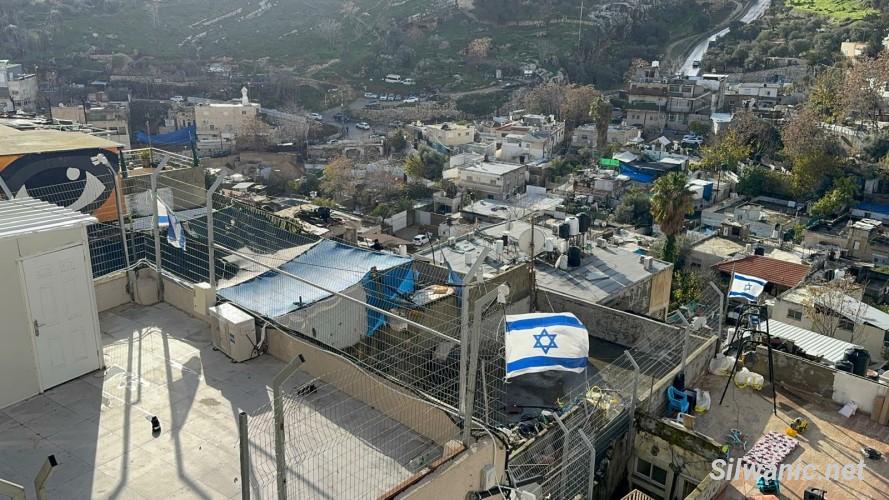
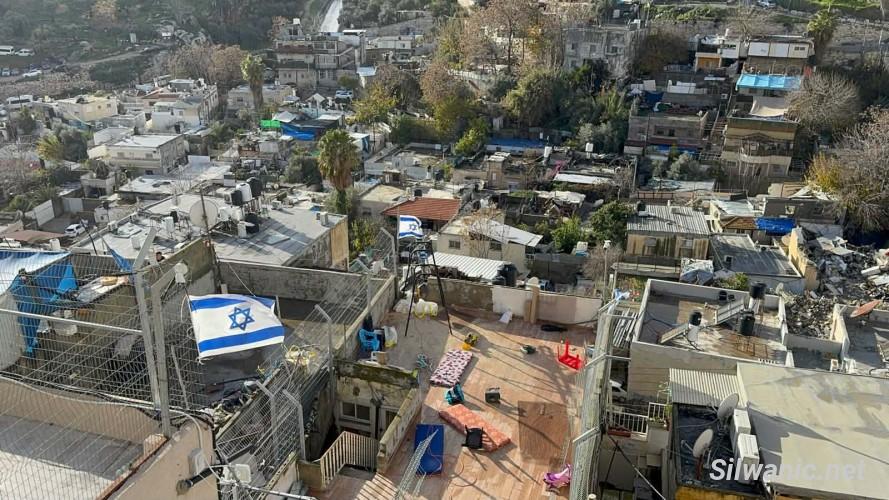
A new crisis has emerged in the heart of Jerusalem: 200 residents face potential displacement, and their homes are at risk of demolition to make way for settlers
In the Batn al-Hawa neighborhood of Silwan, numerous homes face eviction threats to clear space for settlers. These houses symbolize more than mere structures; they embody lives—childhoods, youth, memories, and dreams built by Palestinian families over many years. Currently, these families confront the danger of displacement amid an increasing number of notices from occupation authorities aimed at removing them to favor settlers.
A renewed tragedy for Jerusalemite families
Since October 7, 2023, the occupation authorities have evicted 15 families in the neighborhood (Shehada, Abu Nab, Ghaith, Odeh, Shweiki, and Rajabi). Yesterday, 32 families received "final eviction notices." In 2015, 15 families were evicted (Sarhan and Abu Nab), while approximately 30 families, including the Dweik, Abu Rammouz, Sarhan, and Ghaith families, await a decision from Israeli courts regarding their fate, as Zuhair Rajabi, head of the Batn al-Hawa-Silwan Neighborhood Committee, explained.
Al-Rajabi stated that this is a deliberate policy to drive Jerusalem residents outside the wall and strip them of their land and rights to their identity.
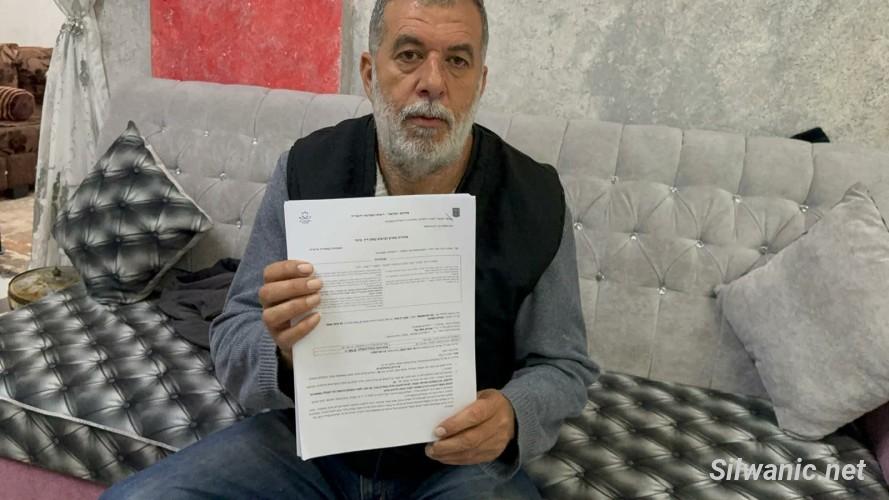
Zuhair al-Rajabi's family was among those issued eviction notices yesterday by the "Enforcement and Execution" department. After 12 years of defending his home in Israeli courts without success, Zuhair now faces the potential loss of his years, memories, and childhood space.
Zuhair al-Rajabi speaks with a tone of sorrow and strength: "In the end, everyone must leave their home, dreams, and memories behind. We experienced both hardships and happiness in these houses and this neighborhood, which hold the memories of our lives. Although the occupation can easily erase our homes and land, it can never wipe out our memories."
Eviction policy and recent notices
Yesterday, 32 families in the Batn al-Hawa neighborhood received notices to vacate their homes within 21 days, as explained by Zuhair al-Rajabi, to make way for settlers:
• Abdul Majid al-Rajabi Building: 11 apartments
• Zuhair and Brothers Building: 7 apartments
• Basbous Building: 4 apartments
• Yassin Building: 4 apartments belonging to the Yassin family
• Kayed al-Rajabi and Brothers Building: 4 apartments
• Abdul Fattah al-Rajabi Building: 2 apartments
Zuhair al-Rajabi stated that the Basbous family received an eviction notice and a deadline prior to the Supreme Court's final ruling on their case and appeal. Meanwhile, the Yassin family had not received any notices or warnings in recent years, nor had there been any court hearings in Israel. Despite this, they were unexpectedly issued a final eviction order yesterday.
Memories and pain
Kayed al-Rajabi and his brothers are experiencing a second Nakba for their family, following the displacement of their grandparents and parents from the Sharaf neighborhood in Jerusalem's Old City. In 1966, the family relocated to Batn al-Hawa.
Kayed states: “We were born and raised here, playing and laughing in these homes. Then, in 2015, we unexpectedly received eviction notices. Where are we supposed to go? What can we do? Thirty-seven family members will be left homeless on the street. This causes immense pain and indescribable suffering.”
Kayed Al-Rajabi expressed concern about an uncertain future, stating, "We face the future alone, unclear of our fate or that of other families." He warned that over 200 people could soon be homeless, citing high Jerusalem rents that make finding new housing difficult. Many apartment owners demand months or even a year’s rent upfront and refuse to rent to large families, worsening residents' struggles and threatening their future.
Families in Batn al-Hawa, Silwan, facing eviction, are caught in a settlement plan led by Ateret Cohanim. The plan seeks to take around 5200 square meters in the neighborhood, citing land ownership by Yemeni Jewish families since 1881.
The organization initially notified the families with a legal notice ten years ago, triggering a series of court hearings. In 2020, the Magistrate's Court issued the first eviction order, followed by additional court orders that the occupation authorities have carried out to support the settlers.
The eviction policy executed by the occupation authorities in Batn al-Hawa goes beyond just court orders; it is a deliberate effort to displace local residents, wipe out their history, and shift the neighborhood's population to favor settlers.