Jerusalem on its fifth day of emergency... Al-Aqsa and the Church of the Holy Sepulcher stay silent
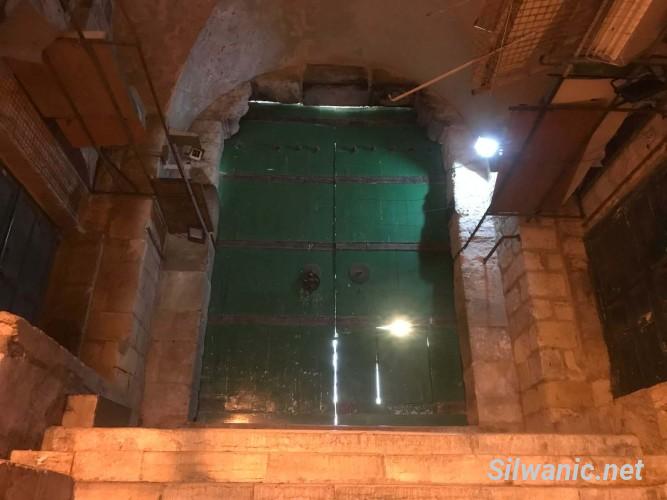
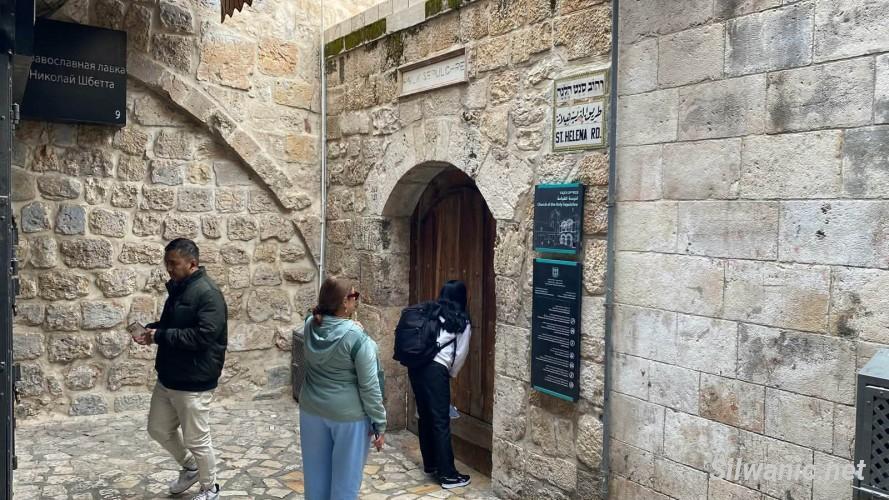
For the fifth consecutive day, the Al-Aqsa Mosque and the Church of the Holy Sepulcher stay closed amid the Israeli-American tensions over Iran and the "state of emergency" measures ordered by the Home Front Command.
Sirens wailed multiple times on the ground in Jerusalem today, aligned with successive explosions in the city and nearby areas.
Local sources reported that shrapnel was falling in multiple areas within the city and its suburbs.
At the Al-Aqsa Mosque, the usual Ramadan atmosphere was absent, with the courtyards and prayer halls empty of worshippers. Taraweeh prayers were not held, and the rows of worshippers did not extend as they normally do, filling the courtyards to the edges. Palestinians were also deprived of their traditional Iftar meals and the moments of togetherness that give the mosque its unique Ramadan spirit.
Silence filled the corridors and prayer halls of Al-Aqsa, with the usual sounds of children running and collective supplications at sunset absent.
Only the employees of the Islamic Endowment Department who are present conduct prayers, illustrating the enforced absence of thousands who used to gather here.
At the Church of the Holy Sepulcher, the doors were also shut as the church prepared annually to welcome pilgrims and Christians for Easter prayers and rituals. Normally filled with hymns and candles, this season appeared to be postponed behind closed doors this year due to the state of emergency.
The Old City of Jerusalem was turned into a space that looked like a military barracks; iron barriers were set up at its gates, forces were stationed at the entrances, and only residents were allowed to enter. The Jaffa Gate was shut, halting the usual flow of people through its stone alleyways.
The police ordered the closure of commercial shops as part of emergency measures, resulting in deserted markets with no shoppers, noise, or vendor calls.
The scents of “qatayef,” the sweet treat commonly enjoyed during Ramadan and filling Jerusalem’s markets, along with the aroma of coffee, Ramadan pickles, and “barazek”—once drifting through the Old City alleys from morning until Iftar—were no longer there. The familiar Ramadan ambiance that Jerusalem used to have has disappeared, replaced by a heavy silence, occasionally broken by the sound of sirens.
Schools were also affected by the war emergency. Education stopped immediately when the conflict began, and schools closed their doors following the Home Front Command's orders, with students sent home to learn remotely.
Jerusalem experienced a double void: the absence of people and the missing details that evoke Ramadan's spirit. Days go by with holy sites closed, markets quiet, and the city in a constant state of emergency, as residents wait for the lively squares to return to their former vibrancy.